

Asbestos Remediation in New Zealand: What Asset Owners, Landlords & Developers Need to Know
A combination of rising regulation changes and an ageing built environment means asset owners, landlords and developers are more commonly dealing with work involving hazardous materials and asbestos remediation.
From private residences to schools and commercial properties, navigating asbestos remediation can be a minefield. In this blog we're going to look at the changing landscape of tightening regulatory requirements, as increased awareness and compliance obligations reshape the market and the way things are done. We'll get some insights from the BPM team and look at a remediation example you can learn from. Let's get into it…
What Even Is Asbestos? Why Is It A Problem?
Asbestos is the name for a group of naturally occurring fibrous silicate minerals that are heat-resistant and durable, but also incredibly hazardous to human health when the fibres are released into the air and inhaled.
Asbestos has been used in widescale industrial applications and building practices since the 19th and 20th centuries. It's not new, but buildings built before the 2000s in particular - often have asbestos incorporated in roofing, flooring, insulation, cement products, ceiling and floor tiles and more, thanks to its fire-retardant and insulating properties. Asbestos can often be found in the ground, also, due to past activities on a site. In today’s world, that complicates many projects, refurbs and demolitions, as there are increasingly strict regulations governing its handling, removal and use in construction.
Can You Remove Asbestos Yourself in NZ?
First of all, DIY asbestos removal is a big fat nope. Don't even think about it. It's extremely dangerous and, depending on the work and who is doing it, may not be legal.
Property owners, developers, landlords and commercial property managers have two main remediation options: complete removal, or encapsulation (sealing or covering the asbestos so the fibres can't be released). Both are regulated under the Health and Safety at Work Act 2015, the Health and Safety at Work (Asbestos) Regulations 2016 and the Health and Safety at Work (General Risk and Workplace Management) Regulations 2016, which require licensed removal, risk management and adherence to safety procedures. This includes at home, but we'll touch more on that soon.
The best approach depends on several things, but a major one is the condition the asbestos is in.
Asbestos Friability: What Is It?
Friable asbestos can be crumbled easily, even by hand, releasing tiny fibres into the air. Non-friable asbestos is bound in a solid material, so its fibres are much less likely to become airborne unless the material is damaged or disturbed.
Because friable asbestos-containing material (ACM) breaks down with minimal pressure, its fibres are loose and far more likely to make their way into the air, and your airway. Inhaling asbestos fibres is hugely hazardous and is linked to lung cancer, mesothelioma, asbestosis and other long-term respiratory diseases. Mishandling asbestos is not worth the risk to your health, and you should always consult a professional.
You might come across this particularly nefarious form of asbestos in the roof, walls of boiler insulation, and in ceiling and floor tiles. Before you carry out any work, it's worth assessing. For example, if the building you’re renovating or demolishing was built before the 2000s, you probably want to consider an asbestos survey - a professional inspection that will give you clear guidance on next steps.
Who Can Carry Out Asbestos Removal?
In New Zealand at the time of writing, asbestos removal falls into three broad categories.
Class A licensed asbestos removalists can remove any type or quantity of asbestos, including friable asbestos and asbestos-contaminated dust.
Class B licensed removalists can remove any quantity of non-friable asbestos, along with associated asbestos-contaminated dust.
There is also an unlicensed category for relatively small amounts of non-friable asbestos:
Up to and including 10m² cumulatively across the entire removal project and site can be removed by a competent person without a Class A or B licence.
This could include an appropriately trained tradesperson such as a builder, roofer, plumber or electrician, depending on the work involved. The 10m² limit applies to the project as a whole. You can't split a larger job into multiple 10m² sections to avoid the licensing requirements.
What About Homeowners?
For homeowners, there isn't a blanket rule that says "under 10m² = DIY is fine." The exemption is about unlicensed removal by a competent person, not a general DIY exemption. Even where a licence isn't required, the work still has to be carried out safely, and controls, PPE, respiratory protection, decontamination and disposal requirements all apply. WorkSafe recommends homeowners use a suitably experienced asbestos contractor where asbestos is identified or suspected.
Where Do Project Managers Help With Asbestos Remediation?
Asbestos remediation can quickly become one of the most complex and influential parts of a refurb, redevelopment or demolition project. It can grind your project to a halt.
Whether you're at the stage of identifying asbestos or further along at removal, you need to make sure your legal, health and safety and risk management obligations are being appropriately handled. From surveys to licensed contractors, risk assessments, notifications and access requirements, project impacts, waste disposal and clearance requirements, there's a lot to coordinate alongside the wider programme. This is exactly where an experienced Project Manager adds real value.
At BPM we're well versed in asbestos remediation, from live environments where you might be juggling tenants, minimising income loss and managing body corporates and contractors, through to stepping in when you get a nasty surprise during a refurb.
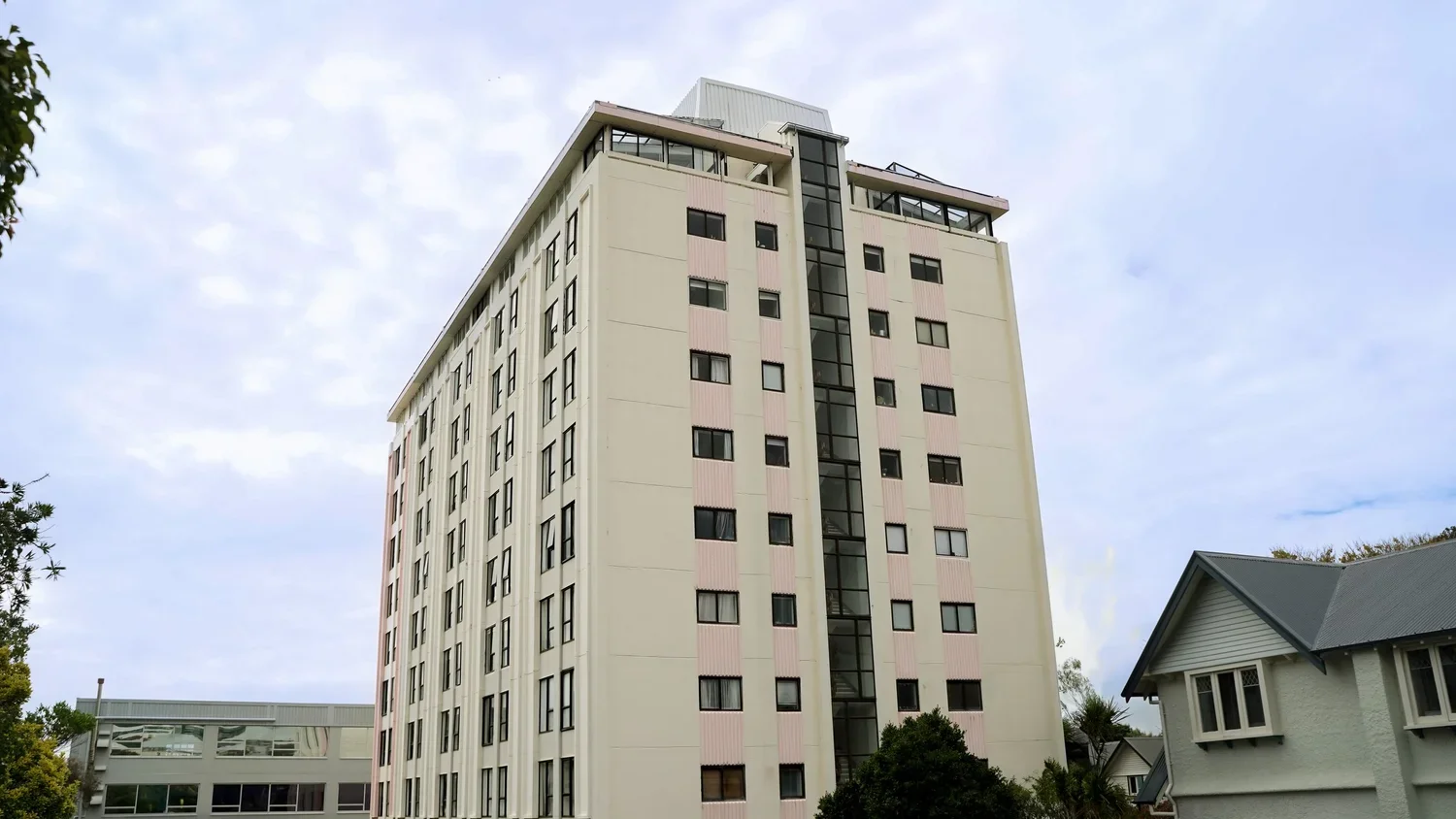
One project that demonstrates just how much coordination can sit behind asbestos remediation is Hobson Court, a 10-storey residential apartment building above the Thorndon Centre in Wellington CBD. Originally constructed in 1971–72, the building contained significant amounts of ACM, and the 2016 Kaikōura earthquake caused extensive damage and triggered a major remediation project.
BPM came on board during the construction phase after the project stalled following a dispute between the incumbent Project Manager and the contractor. We initially assessed the project and provided recommendations around dispute resolution, before being engaged by the client to take over project management and deliver the project through to completion. With 84 apartments comprising a mix of owner-occupied and tenanted units, asbestos remediation was only one part of a much bigger coordination challenge.
BPM managed the programme and stakeholder interfaces across individual apartments, coordinated temporary accommodation and the removal and reinstatement of residents' belongings, established a standardised pricing mechanism with the contractor to streamline remediation costs, managed budgets and approvals for the Body Corporate and EQC (now the Natural Hazards Commission), and liaised with the SQEP (suitably qualified and experienced person) around ACM testing before and after removal.
The outcome was 84 apartments, corridors and stairwells cleared of asbestos, refurbished and reinstated for it’s tenants. That’s 84 clients that had the work done for them and every little stress through the process taken care of. The buildings body corporate and EQC were overjoyed with the end result.
It was a good example of where the PM's role extends well beyond the construction site: keeping residents, owners, contractors, specialists, engineers and funders moving in the same direction while minimising disruption and keeping the wider remediation programme on track.
Speaking to PM Jake Oram, we get some insight into the complexities, and his recommendations on what to do if you suspect asbestos or want to get ahead of surprises during a refurb or redevelopment:
Jake says:
“Speaking from my experience managing refurbishment, remediation and redevelopment projects, my approach to asbestos is to understand the history of the site and the work being proposed as early as possible.
It can be easy to think of asbestos as something that is limited to obvious building materials such as roofing, wall linings, flooring or insulation. In reality, the potential risk can extend well beyond what is visible within a building.
Before any refurbishment or demolition work starts, I think it is important to understand the age and history of the building, any previous alterations or additions, previous demolition works and whether materials may have been disturbed, buried or incorporated elsewhere on the site over time. This becomes particularly important with older buildings and sites that have gone through multiple stages of development.
For me, the question is not simply “Where is the asbestos?”. It is “Where could asbestos be present, and what are we actually going to disturb?”
That distinction is important when planning refurbishment or demolition. An asbestos survey needs to be appropriate to the proposed scope of works, rather than relying solely on what can be seen. If walls, floors, ceilings, services or other parts of a building are going to be opened up or demolished, consideration needs to be given to what could be concealed within or behind those areas.
Another important consideration from my experience is that asbestos doesn't necessarily stop at the building materials. Asbestos-containing material can also be encountered in soil, fill and demolition debris. This can become a particular consideration on sites where older buildings have previously been demolished, where asbestos-containing materials may have deteriorated or fragmented, or where historic fill has been placed on the site.
This is why I think understanding the history of the entire site, rather than just the existing building, is important. If a site has a history of older structures, demolition, redevelopment or historic fill, those factors should be considered when determining what investigations and controls are appropriate.
The key lesson for me is that asbestos should be considered before the work starts, not once it has already been uncovered. Taking a cautious approach early allows the project team to understand the risk, bring the right specialists into the process and plan the response properly. It also reduces the likelihood of an unexpected discovery bringing construction to a halt once contractors are already on site.”
Managing Your Obligations With Asbestos Removal
Asbestos In Commercial Buildings: A Workplace Health and Safety Issue
For commercial buildings, asbestos management sits firmly within New Zealand's workplace health and safety framework. Under the Health and Safety at Work Act 2015 and the Health and Safety at Work (Asbestos) Regulations 2016, businesses and building owners with management or control of a workplace have duties to identify and manage asbestos risks.
Where asbestos is identified, or is likely to be present, an asbestos management plan is required setting out where ACM is located and how the risks will be managed. If refurbishment, demolition or removal is planned, additional requirements apply, including appropriate surveys, controls and, where applicable, licensed asbestos removal. For commercial property owners and developers, this is where bringing a Project Manager into the process early can be valuable, helping make sure asbestos requirements are identified during planning, incorporated into the programme and coordinated with designers, contractors, tenants and specialist asbestos professionals.
For refurbishment or demolition projects, an appropriately scoped asbestos survey should be undertaken before intrusive works commence. The survey needs to reflect the proposed scope of work rather than simply relying on readily visible materials. Where walls, floors, ceilings, services or other parts of a building are going to be disturbed, the investigation needs to consider what may be concealed within or behind those areas.
WorkSafe describes this as a refurbishment/demolition survey. Unlike an asbestos management survey, this is an intrusive investigation intended to locate asbestos that could be disturbed by the proposed works. Depending on the building and scope, this may involve opening wall cavities, lifting floor coverings, removing tiles or otherwise investigating areas that would not normally be accessed during day-to-day occupation.
Useful links:
Asbestos Beyond the Building.
Asbestos is not limited to materials incorporated into buildings. It can also be encountered in soil, fill, pipework and demolition debris, particularly on sites with a history of older buildings, demolition or redevelopment.
Asbestos-containing material can enter the ground through a number of pathways. For example, asbestos products from demolished buildings may have been broken up and left within demolition debris, asbestos-containing materials may have deteriorated over time, or historic fill containing asbestos fragments may have been imported or placed on a site.
This can make asbestos in soil less obvious than asbestos within a building. Unlike an identifiable product such as an asbestos-cement sheet or vinyl floor tile, asbestos-containing fragments within soil or fill may not be immediately recognisable. The risk may only become apparent when excavation, earthworks or other ground disturbance takes place.
Where asbestos or suspected asbestos is encountered in soil, the material should not simply be treated as ordinary fill. The appropriate response depends on factors including the nature and extent of the contamination, the type of work being undertaken and the potential for asbestos fibres to become airborne. Specialist assessment and sampling may be required to establish the extent of the issue and determine the appropriate controls, handling and disposal requirements.
WorkSafe recognises asbestos-contaminated soil as a specific asbestos risk and provides guidance on its identification and management. This is an important consideration for redevelopment projects, particularly where there is a known history of demolition or historic fill.
For a project team, identifying this potential risk early is important because asbestos in soil can affect more than the immediate earthworks. It can influence excavation methodology, site controls, material disposal, contractor sequencing and programme, as well as the overall cost of the works.
Asbestos In Homes: Don't Assume Residential Means Exempt
Asbestos requirements can look a little different in a private home, but that doesn't mean homeowners can simply ignore the risk. WorkSafe strongly recommends getting advice from a reputable asbestos professional before disturbing suspected asbestos. If you engage someone to carry out asbestos work at your home, the property becomes a workplace for the duration of that work and the Health and Safety at Work Act 2015 applies. Residential landlords are the PCBU (person conducting business or undertaking) for their rental property, so when work is carried out there, whether by the landlord or a contractor, it must be done safely and without endangering workers or tenants. If that work (a renovation, refurbishment or demolition, for example) creates a risk of exposure to asbestos fibres, the landlord must identify the asbestos in the affected areas and prepare an asbestos management plan before work starts. This applies only to the parts of the property where there's a risk of exposure, such as the rooms being renovated and the access routes to them. Outside of planned work, landlords aren't required to keep a plan for the whole property, though giving tenants advice on staying safe is good practice.
For a straightforward homeowner project, that may mean engaging the right specialist and following their requirements. For larger residential developments, apartment buildings or major refurbishments, a PM can help coordinate the asbestos work alongside the wider construction programme, residents, contractors and other stakeholders and body corporates.
Asbestos In Schools: Extra Layers of Planning and Accountability
Schools have particularly important asbestos management obligations because they are occupied environments where staff, students, contractors and visitors can all be exposed if asbestos isn't properly managed. School boards and principals are responsible for managing asbestos in their schools, and the Health and Safety at Work (Asbestos) Regulations 2016 require schools to identify asbestos and manage the risk. Buildings constructed before January 2000 are likely to contain it. In practice that means keeping an asbestos management plan and register, making them available to staff and contractors, and monitoring the condition of any asbestos left in place.
Before any refurbishment, demolition or excavation, schools must complete an asbestos refurbishment or demolition survey to identify visible and hidden asbestos that the work will affect. Where removal is needed, the licensed removalist prepares an asbestos removal control plan, and the Ministry of Education's checklist covers everything from WorkSafe notification and waste disposal to air monitoring, independent clearance and communication with the school community and neighbours. Removal should also happen outside school hours unless there's a documented reason. Since 1 April 2026, schools must use suppliers from the Ministry's accredited list for all asbestos-related services.
The Ministry also treats the cost of managing asbestos as part of the project budget, so this is where early planning pays off. A PM can integrate asbestos requirements into the wider school project, coordinate the accredited specialists and contractors, manage programme and stakeholder impacts, and keep the school community informed while minimising disruption.
Insurance Risks: Don't Let Asbestos Become an Expensive Surprise
Asbestos can create an additional layer of insurance risk for property owners, developers and project teams. The presence of asbestos does not automatically mean a claim won't be covered, but policy wording, exclusions, the cause of the damage and the circumstances of the remediation can all affect what an insurer will respond to. Some commercial liability policies, for example, contain specific exclusions relating to asbestos, including its presence, contamination or the cost of remediation.
This makes it important to establish early who is responsible for the asbestos risk, what the existing policy covers, and whether specialist advice or insurer approval is required before remediation begins. It becomes particularly relevant after events such as earthquakes, floods or fires, where damaged buildings may contain previously unidentified ACM. WorkSafe has specifically reminded insurers and other PCBUs that asbestos should not simply be assumed to be absent from damaged buildings. A Project Manager can help coordinate the survey and specialist assessments, document the condition and extent of the asbestos, engage the appropriate contractors and keep the insurer, client, consultants and construction team aligned, helping avoid an asbestos discovery becoming a bigger cost, programme or insurance headache later.
How A Project Manager Helps During Asbestos Remediation
1. Getting the right information early
One of the biggest risks is discovering asbestos after a project is already underway. A Project Manager can help ensure hazardous materials are considered during early planning and due diligence, rather than becoming an expensive surprise halfway through construction.
That can include coordinating the appropriate asbestos survey, reviewing existing documentation and identifying where further investigation may be required before design, demolition or refurbishment begins. The earlier asbestos is identified, the more options the project team has to plan around it.
2. Helping determine the remediation approach
Complete removal isn't automatically the right answer for every situation. Depending on the condition and location of the ACM, the proposed works and the future use of the building, the project team may consider removal, encapsulation or putting management plans in place.
A Project Manager doesn't replace the specialist asbestos consultant or licensed removal contractor. Instead, they help bring the right specialists into the project at the right time and ensure their advice is incorporated into the wider project strategy. The asbestos specialist determines the technical approach; the Project Manager makes sure that approach works within the wider project.
3. Managing programme and construction sequencing
Asbestos remediation can have a significant impact on programme. If asbestos needs to be removed before demolition, services installation, structural works or refurbishment can begin, it becomes a critical predecessor activity. Delays in surveys, approvals, contractor availability or clearance can have a knock-on effect across the entire construction programme.
A PM can build remediation activities into the master programme, coordinate access and sequencing, and identify dependencies before they become programme-critical issues.
4. Coordinating contractors and consultants
Asbestos projects can involve a number of parties, including:
Asbestos surveyors and consultants
Licensed asbestos removal contractors
Main contractors
Demolition contractors
Building contractors and specialist trades
Occupational hygienists or independent assessors
Designers and engineers
Building owners, landlords and tenants
Regulators and other stakeholders
The PM sits across that network, helping keep responsibilities clear and making sure information flows between the right people. That becomes particularly important where asbestos remediation forms part of a much larger refurbishment or redevelopment project.
5. Managing cost and procurement
Asbestos remediation isn't always a straightforward line item that can be priced with certainty at the start of a project. The extent of contamination, accessibility, remediation methodology and requirements for surrounding works can all influence the final cost.
A PM can help asset owners understand the potential cost implications, develop appropriate allowances, procure suitably qualified contractors and manage variations where the actual extent of asbestos differs from what was anticipated. Good project management also means making sure the commercial implications of remediation are understood before decisions are made, particularly where a cheaper-looking option could create greater costs elsewhere in the project.
6. Keeping health and safety at the centre
Asbestos is a specialist health and safety risk, and remediation must be undertaken in accordance with New Zealand's applicable legislation and requirements. The PM's role is to ensure asbestos-related risks are properly identified, assigned to the appropriate competent people and incorporated into the project's wider health and safety and risk management processes.
That includes making sure the right documentation, controls, contractor requirements and project interfaces are addressed before work begins.
7. Managing the unexpected
Sometimes asbestos is discovered where nobody expected it: behind a wall, beneath flooring, within roofing materials or in another part of an existing building that wasn't accessible during earlier investigations.
Sometimes suspected ACM tests negative only later to be confirmed as asbestos.
When that happens, stopping and reassessing is essential. A PM can coordinate the relevant specialists, assess the impact on programme and cost, communicate the issue to the client and wider project team, and help determine the appropriate next steps. Rather than letting an unexpected discovery derail the entire project, good project management helps turn it into a controlled project issue.
For asset owners, the key takeaway is that asbestos remediation shouldn't be treated as an isolated trade package. It can affect design, consenting, procurement, demolition, construction sequencing, cost, health and safety and ultimately the project's completion date. An experienced Project Manager can help bring all of those moving parts together.
At BPM, our role is to help clients navigate the complexity of construction and property projects, including those where asbestos and other hazardous materials form part of the risk profile. Whether the appropriate solution is removal, encapsulation or another specialist-managed approach, getting the right people involved early and integrating remediation into the wider project plan can make a significant difference.