

Blucher Avenue | Seismic Strengthening

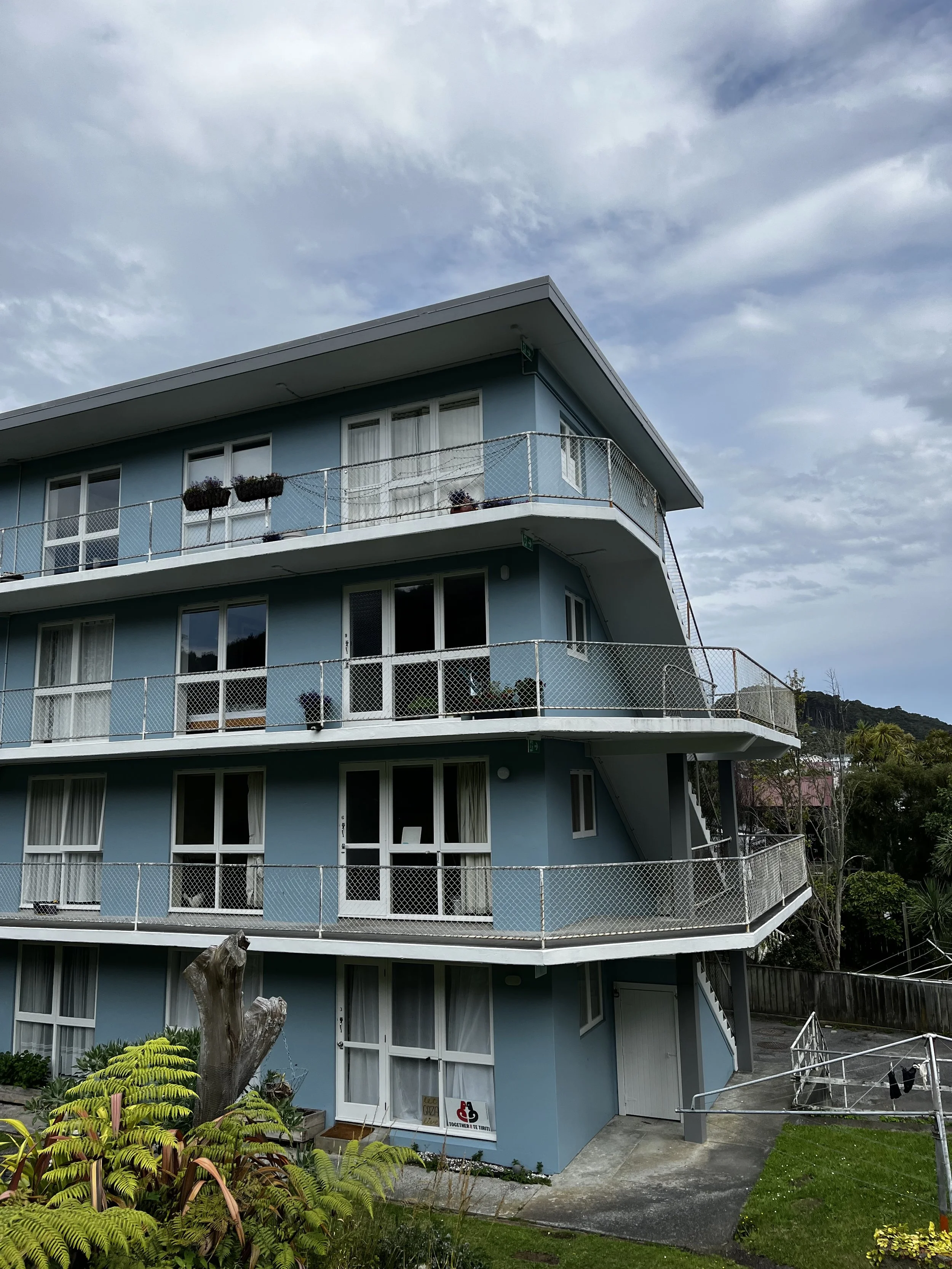
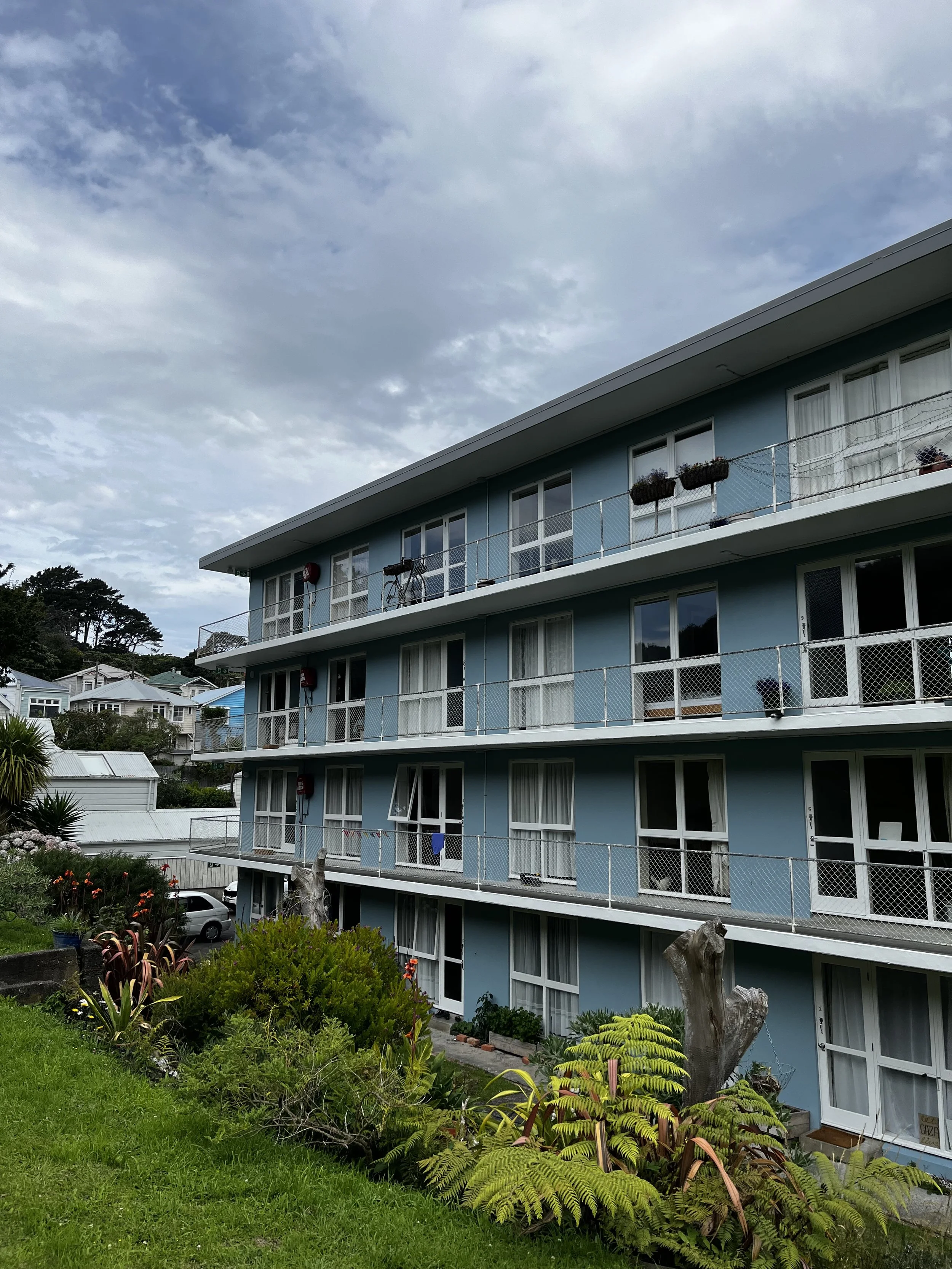


Project Type: Residential, Seismic, Community, Fit-Out
Project Manager: Dan Woods, Nicholas Rowe
Location: Wellington, New Zealand
-
The premises at 9 Blucher Avenue required both seismic strengthening and targeted refurbishment to address structural resilience, regulatory compliance, and building performance issues.
The building is occupied by a mix of tenants and owners, meaning all works needed to be carefully staged to minimise disruption while maintaining safety and access. In addition to improving the NBS rating, the project aimed to resolve ageing joinery, ventilation shortcomings, and outdated life-safety systems.
Key Challenges Included:
Delivering seismic strengthening within an existing, fully tenanted building
Maintaining occupant safety while works were undertaken in a live environment
Improving structural performance without compromising architectural aesthetics
Selecting a strengthening methodology that balanced performance, cost, and constructability
Coordinating multiple trades within constrained site conditions
Aligning refurbishment decisions with long-term building plans within economic envelops of a body corporate
Improving ventilation and internal environmental quality within the limitations of the existing structure
Addressing ageing window and joinery elements contributing to air leakage and water ingress
Prioritising durable solutions over short-term repairs to reduce lifecycle costs
Minimising waste and rework while upgrading building systems
Implementing a direct-to-trade procurement model rather than a traditional main contractor structure
Managing a NZS 3910 and Minor Works contracts concurrently
Clearly defining scopes to avoid gaps, overlaps, and interface risks
Maintaining programme certainty across numerous independent contractors
Ensuring consistent quality standards across all trades
Working within an occupied building with a diverse mix of tenants and owners
Managing expectations of the client, body corporate, and occupants
Sequencing disruptive works to minimise operational and residential impacts
Maintaining clear, proactive communication throughout the project
Balancing technical requirements with occupant comfort and building usability
-
A carefully structured delivery model and design strategy were adopted to balance safety, performance, and practicality.
Seismic Strengthening Solution
Fibre Reinforced Polymer (FRP) wrapping was selected as the primary strengthening methodology. Compared with traditional steel strengthening, FRP offered several significant advantages, including minimal structural intrusion, a lightweight application process, reduced need for major design alterations, and the ability to be concealed beneath the building render.
These characteristics were particularly beneficial given the building remained occupied throughout construction. Unlike steel strengthening, which often requires extensive demolition, heavy lifting, intrusive framing, and prolonged disruption, the FRP system could be installed with comparatively low noise, vibration, and physical disturbance. The lightweight nature of FRP reduced the need for large structural interventions, while the minimally invasive installation process limited the extent of internal strip-out and reinstatement works.
This approach enabled strengthening works to be undertaken with reduced impact on residents and users, supporting safer site conditions, improved staging flexibility, and better continuity of occupancy. In practical terms, occupants experienced fewer disruptions, shorter work zones, and less interference with the building’s day-to-day functionality.
Importantly, the FRP solution achieved the required structural performance improvements while preserving both the building’s aesthetics and the wellbeing of those living and working within it.
Scope of Works
The project incorporated a comprehensive package of upgrades:
Full FRP wrapping to improve seismic performance and NBS rating
Upgrade of the fire system to a Type 2 standard
Installation of new extraction fans in bathrooms and kitchen areas
Emergency lighting upgrades
Remedial window and joinery works
Exterior refresh, including repainting with colours selected in consultation with the body corporate and occupants
These works collectively improved safety, compliance, durability, and user experience.
Sustainability & Environmental Considerations
Sustainability outcomes were guided by two core priorities - social sustainability and economic sustainability.
Social Sustainability
The social sustainability aspect of the project focused on improving occupants long-term wellbeing, safety, and day-to-day comfort, which meant a layered approach.
Seismic resilience via strengthening works significantly improved structural performance, enhancing occupant safety during seismic events.
Improved ventilation was achieved with new extraction fans, enhancing indoor air quality and reducing moisture-related risks, contributing to healthier living conditions.
Life-safety compliance meant upgrading fire and emergency lighting systems improving safety and ensuring regulatory compliance.
A refreshed Exterior appearance enhanced the overall experience for residents and users.
Window and joinery upgrades included remedial works reducing unwanted air leakage and water ingress, while improving durability and ensuring operable windows could be reliably used year-round.
Economic Sustainability
Long-term value and lifecycle performance were prioritised through:
Selection of durable, high-quality materials
Emphasis on low-maintenance products
Investment in long-term solutions rather than short-term fixes
This delivered:
Reduced future repair and replacement costs
Lower lifecycle maintenance expenses
Improved asset value
Extended operational lifespan
Increased structural resilience
Delivery & Contract Strategy
Rather than adopting a traditional main contractor model, BPM directly engaged all subcontractors and trades.
Each trade was procured under either NZS 3910 contracts, or Minor Works contracts with BPM acting as Engineer to the Contract.
This structure enabled:
Greater quality assurance
Improved programme control
Transparent and competitive procurement
Clear scope alignment across trades
Enhanced communication and coordination
Although this approach needed increased on-site involvement, early trade engagement and detailed programme planning ensured trade interfaces and overlaps were effectively managed.
Stakeholder & Occupant Coordination
Given the building’s occupancy profile, collaboration and communication were essential.
Maintaining open lines of communication between BPM, the client, occupants, and subcontractors ensured:
Works were sequenced with minimal disruption
Safety protocols were clearly understood
Expectations were managed
Design and construction decisions aligned with user needs
-
Despite the structural, operational, and coordination challenges presented by working within an occupied building, the project at 9 Blucher Avenue was successfully delivered, resulting in a building that is safer, healthier, and better positioned for the long-term.
The seismic strengthening works significantly improved the building’s NBS rating and overall structural resilience. By adopting an FRP wrapping solution, the required performance outcomes were achieved without introducing the architectural disruption that a traditional steel solution would have necessitated. This ensured the strengthening programme enhanced safety while preserving the building’s visual character.
In parallel with the structural upgrades, critical life-safety systems were modernised. The fire system was upgraded to a Type 2 standard, and emergency lighting improvements ensured compliance with current regulatory requirements. These upgrades collectively strengthened occupant safety and improved the building’s emergency preparedness.
Refurbishment works further enhanced building performance and user wellbeing. The installation of new extraction fans improved ventilation and indoor air quality, reducing moisture-related risks and contributing to a healthier internal environment. Remedial window and joinery works addressed air leakage and water ingress issues, improving durability, weather tightness, and the long-term usability of operable windows. The refreshed exterior finishes, including repainting undertaken in consultation with stakeholders, enhanced the overall occupant experience.
Importantly, the project outcomes extended beyond compliance. The building now benefits from improved resilience, reduced maintenance risks, enhanced occupant comfort, and strengthened long-term asset value - directly responding to the technical, sustainability, and stakeholder challenges identified at the outset.
Key outcomes aligned with project challenges included:
Improved NBS rating and seismic resilience within an existing, operational building
Enhanced structural safety without compromising architectural aesthetics
Full compliance with fire and emergency lighting standards
Improved indoor air quality and moisture management
Reduced water ingress and unwanted air leakage
Increased durability and longevity of window and joinery elements
Refreshed exterior spaces supporting occupant wellbeing
Strengthened long-term asset performance and value
As is typical with refurbishment and seismic strengthening projects, unforeseen conditions and latent issues emerged throughout delivery. These challenges were amplified by the building’s occupied status, constrained working environment, and the direct-to-trade procurement model.
A key learning was the importance of anticipating variability within existing building conditions. Early planning assumptions required ongoing validation, reinforcing the need for flexibility in sequencing, staging, and coordination. Maintaining programme certainty required proactive interface management and continuous communication between trades.
The contract strategy also provided valuable insights. Direct engagement of multiple subcontractors under either a NZS 3910 and Minor Works contracts enabled strong quality and cost control, requiring rigorous scope definition and close oversight, ensured the client was getting the best deal. Clearly delineated responsibilities and early trade involvement proved essential in mitigating overlap, gaps, and coordination risks.
Stakeholder management was another critical success factor.
Working within a live environment highlighted the importance of transparent, consistent communication with the client, body corporate, occupants, and contractors. Aligning technical requirements with occupant expectations required collaboration, responsiveness, and careful management of disruption.
Ultimately, the project reinforced that complex strengthening and refurbishment works demand adaptability, structured coordination, and early engagement across both trades and stakeholders.

Earthquake Strengthening: An Asset Owners Guide
What asset owners & developers in New Zealand need to know about seismic strengthening projects. A free guide.
Read More
Where Industry and Innovation Meet
Let’s build spaces that perform, adapt, and stand the test of time.