Kuranui College — Kahurangi Gymnasium | Ministry of Education













Client: Ministry of Education, Kuranui College
Project Type: Community, Education, Advisory
Project Manager: Jake Oram
Location: Greytown, New Zealand
When Kuranui College's gymnasium project stalled - with costs exceeding budget before construction had even commenced, the Ministry of Education paused and re-evaluated the project. A shift to a Design & Build procurement model was adopted, and BPM was engaged under a Value for Money (VFM) approach as client-side project manager and Engineer to the Representative to get the project back on track.
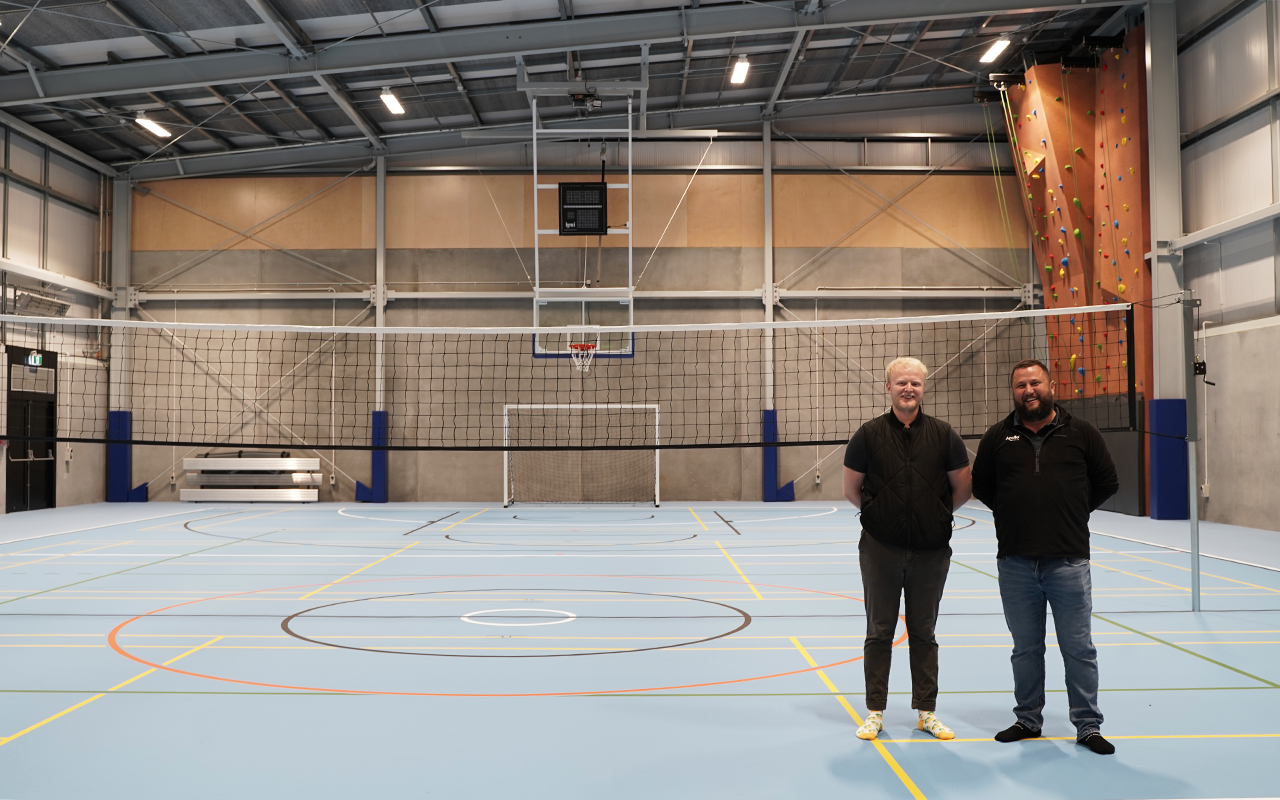
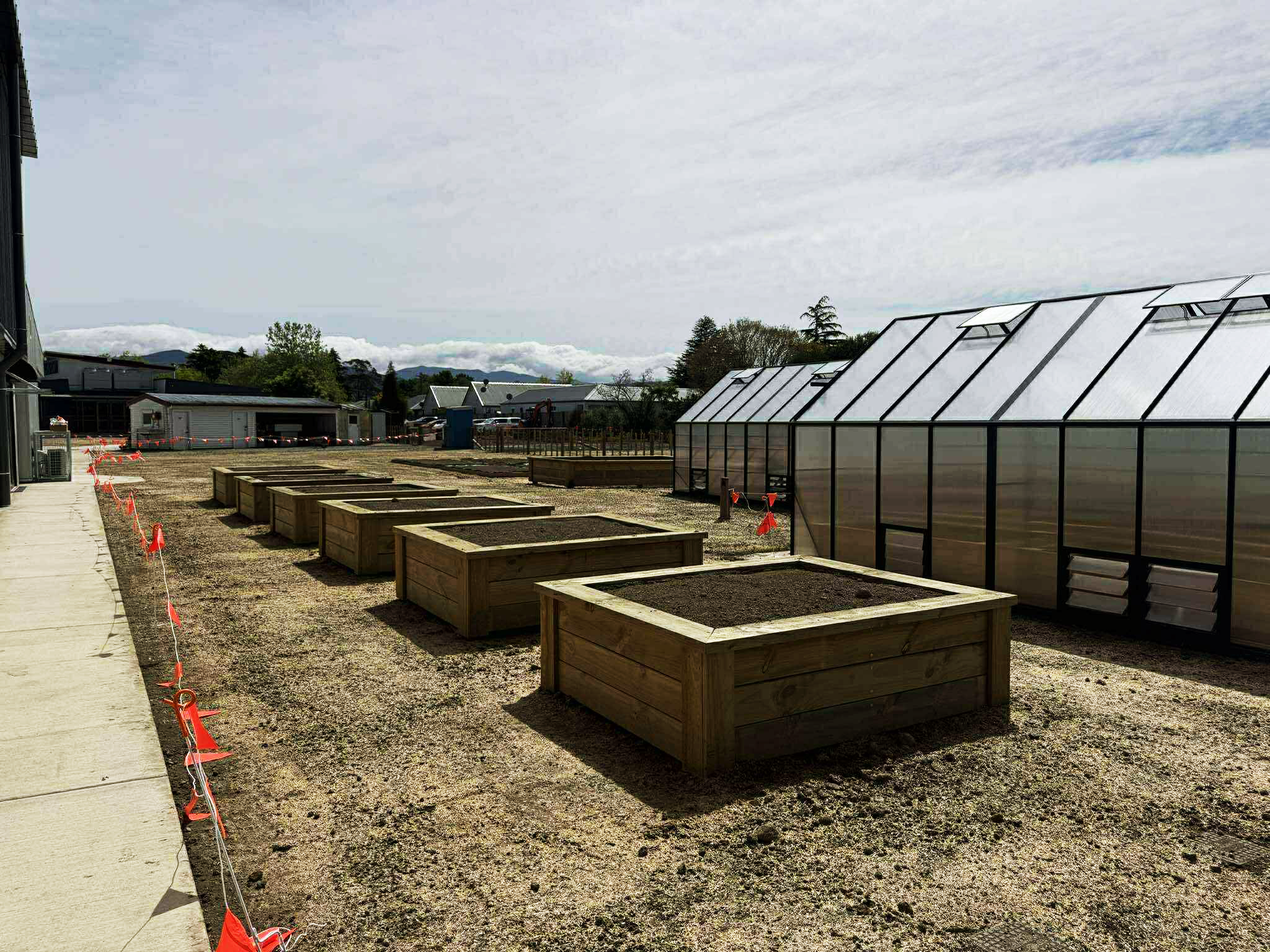
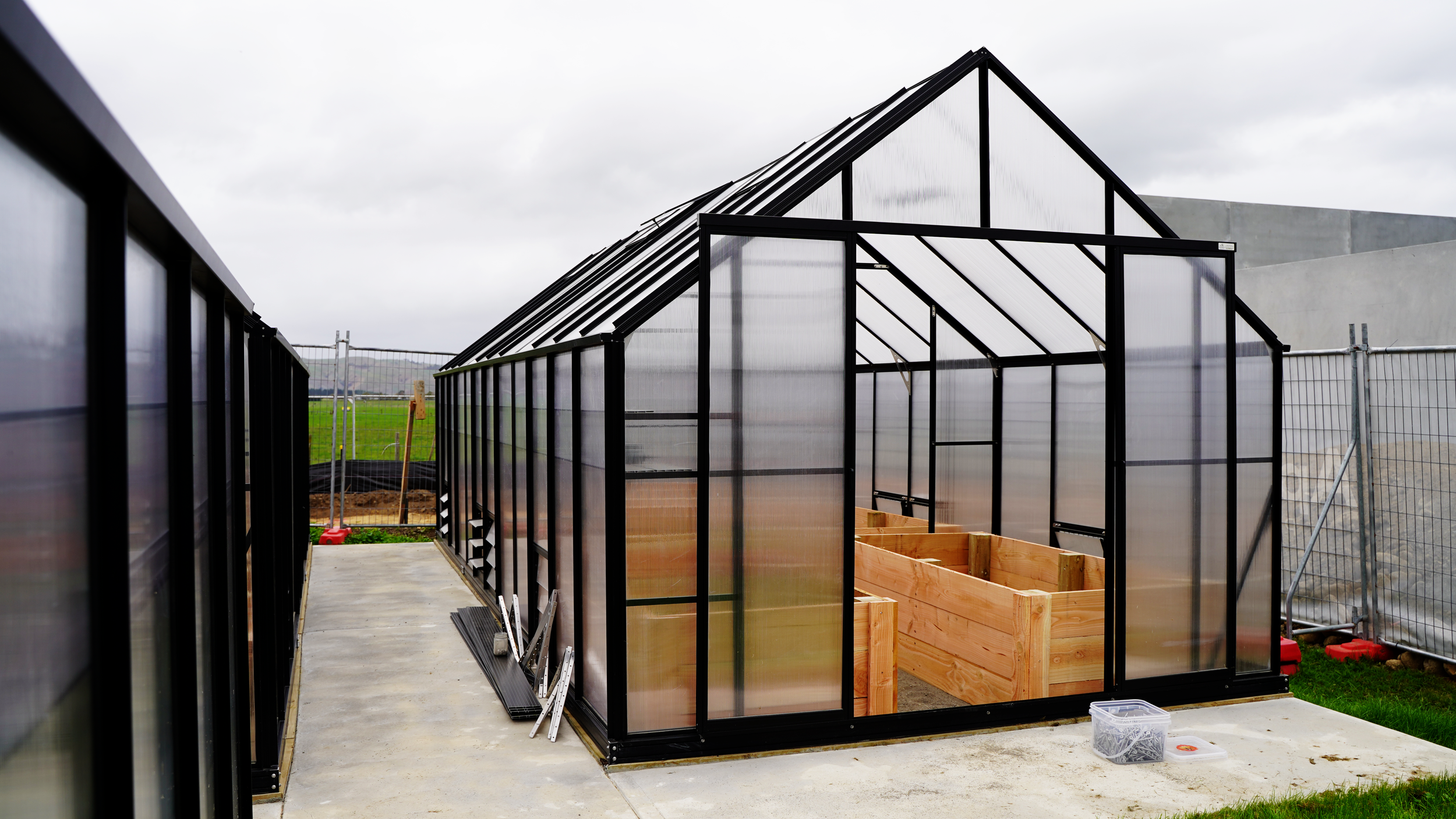
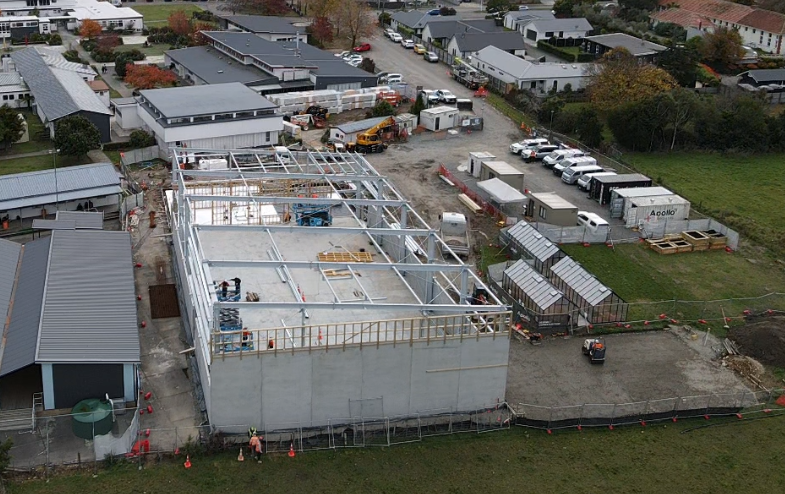
The outcome was a purpose-built 1,020m² facility completed on time, 30% under the original design cost, and at full specification. The gymnasium is now in daily use by students and open to the wider Greytown community. The project also included a new fire suppression system, and an outdoor horticulture area with greenhouses and outdoor planter boxes.
This is what effective client-side project management looks like.
This purpose-built facility delivers:
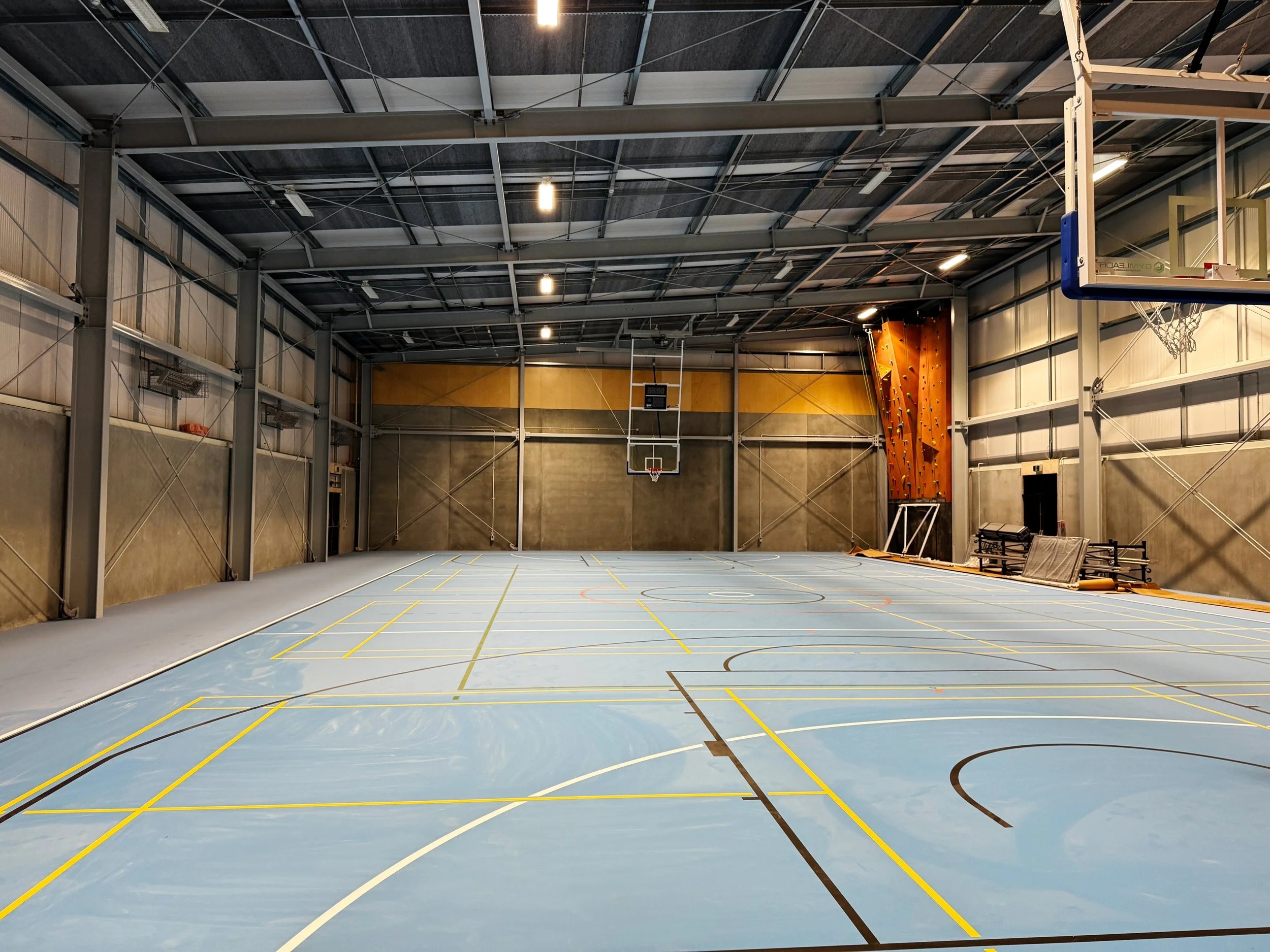
An 800m² indoor court
A nine-metre rock climbing wall
Flexible multi-purpose spaces
Modern changing and amenities areas
Tech-enabled teaching spaces
BPM played a key role in guiding the project through a critical transition - from an over-budget traditional procurement model to a more effective design and build approach. By working closely alongside Apollo Projects and the wider team, we helped align scope, budget, and programme to unlock significant cost savings while maintaining the original vision.
Throughout delivery, our focus was on collaboration - supporting decision-making, managing risk, and keeping momentum on site, particularly in a regional environment where access to resources required smart planning and coordination.
BPM was proud to deliver this taonga — a space that reflects local identity, brings people together, and creates opportunities for sport, learning, and connection for years to come. And now, it’s in the hands of the community it was built for.
-
Kuranui College faced a growing student roll, a gymnasium well past its useful life, and a project that had hit a wall. Under the original traditional procurement model, the design phase completed before any contractor was involved - meaning cost feedback came too late to influence decisions. By the time the design concluded, costs had exceeded what the combined Ministry of Education and South Wairarapa District Council funding could support.
The project needed more than a cost cut. Reducing the scope wasn't an option - the facility was always intended to serve the wider Greytown community, not just the school. The full footprint, the full programme of spaces, and community access all had to be preserved. A fundamental change to the project structure was necessary.
-
Under a Design & Build approach, the contractor is brought into the process before design is locked. That means specification, buildability, and programme are shaped with real cost input alongside them - not after the fact. It changes the dynamic entirely. Cost risk is identified early, where it can be managed. Value engineering happens during design, not as a crisis response after tender.
Working alongside the delivery team, BPM manage the project brief and client deliverables under the NZS 3916:2013 Design & Build model, ensuring client expectations were met - bringing the project back within budget. The savings came from how the project was structured and procured - not from cutting what was being built.
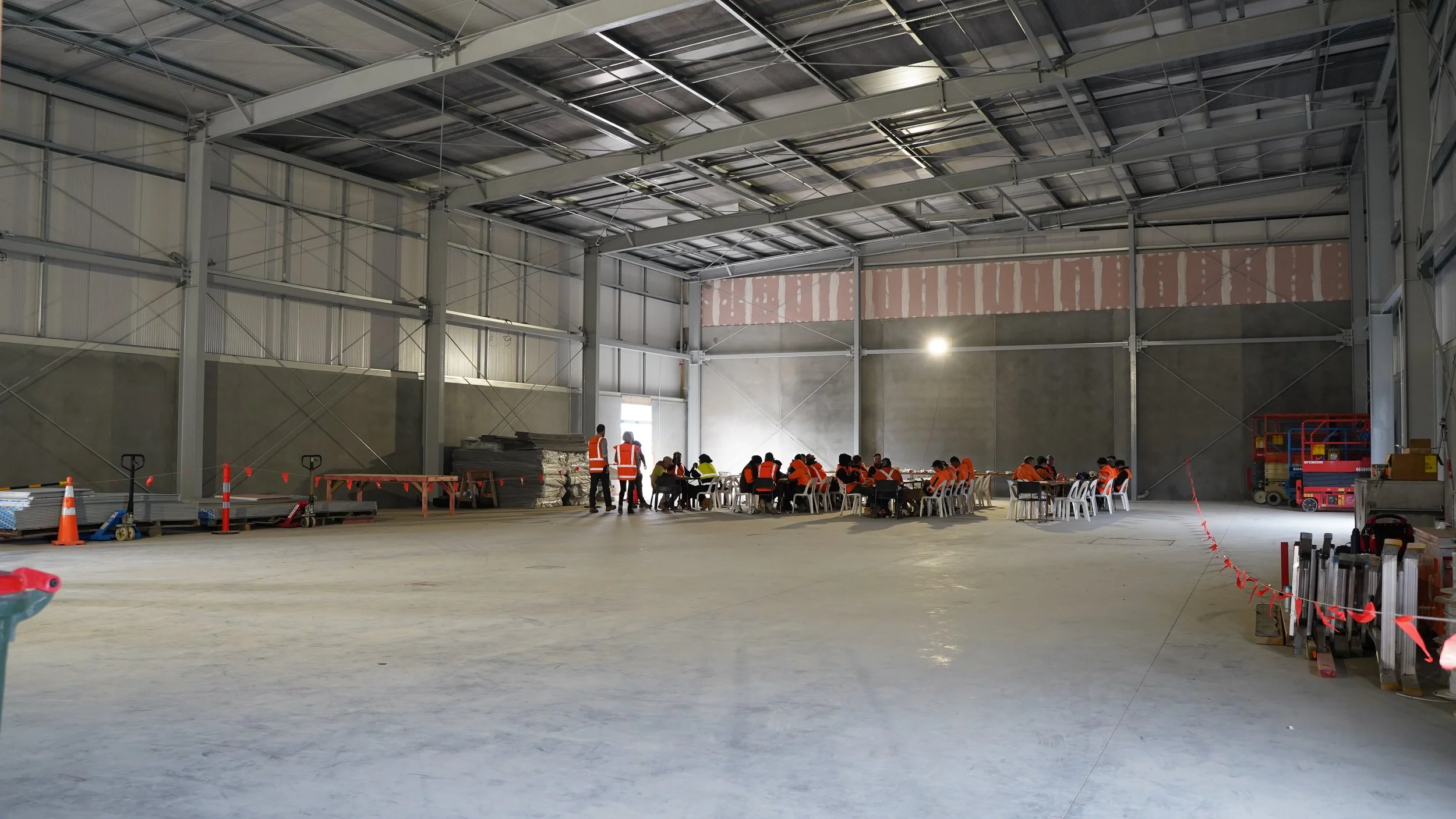
BPM held the coordination role from procurement strategy through to handover, including managing a dispersed trades team drawn from Wellington and Hawke's Bay across a regional site. Consistent programme oversight and clear communication lines were maintained throughout construction.
Engineer to Contract
BPM acted as the client Project Manager and Engineer to the Contract Representative throughout the construction phase, providing independent technical oversight and contract administration on behalf of the Ministry of Education. This included assessing contractor submissions, reviewing compliance with design and specifications, managing variations, responding to RFIs, certifying progress payments, and managing key stakeholders through fortnightly site meetings and monthly steering group meetings. The Engineer to the Contract Representative sits at the centre of a well-run D&B project. It ensures the client's interests are protected without duplicating the contractor's design and construction responsibilities - and it provides the independent check that keeps quality, programme, and cost aligned through to practical completion.
Fire Suppression System
One of the significant infrastructure elements of the new gymnasium was the fire suppression system, designed and documented in accordance with New Zealand standards.
The system comprises three distinct pipe services:
Pipe #1 — Pump Room Fire Service: The primary firefighting water supply originates from a dedicated pump room and fire water storage tank located on site. The pump set draws from the tank and pressurises the system to meet NZS 4541:2020 automatic sprinkler requirements across the gymnasium building.
Pipe #2 — Emergency Service Indicator Panel: A site-wide fire indicator sector panel was installed, which does not distribute water but forms part of the overall fire detection and control system. This panel links directly into the College’s existing fire system, allowing coordinated monitoring and response across the entire site by emergency responding personnel.
Pipe #3 — Fire Hydrant Service: A fire sprinkler inlet is connected to the sector panel at the front of the gymnasium, allowing Fire and Emergency New Zealand (FENZ) to access and operate the system quickly in an emergency while coordinating with the building’s internal sprinkler network.
-
Kahurangi Gymnasium was delivered on programme, in November 2025, within the set budget - and at approximately 30% less than the projected cost under the original traditional procurement model. That saving didn't come from reducing the scope. It came from restructuring how the project went to market. The full 1,020m² footprint was retained, every programme element was delivered, and community access remained intact. The D&B model, managed correctly from the client side, made the difference between a project that stalled and one that got built.
The completed facility is a genuine step-change from what it replaced. Kahurangi Gymnasium includes a regulation size indoor sports court configured for six sports, a nine-metre rock climbing wall, tech-enabled teaching spaces designed to support modern physical education delivery, flexible multi-purpose areas suitable for assemblies and community events, and fully modernised changing rooms and amenity facilities. This is not a like-for-like replacement - it is a facility built for the next generation of students and the wider Greytown community, with the scale and specification to match.
A Long-Awaited Community Asset
For Greytown and the broader Wairarapa community, Kahurangi is a taonga. The gymnasium was always intended to serve the town as well as the college, and that vision was protected throughout the procurement reset - even when budget pressure threatened to compromise it. The facility is now in daily use by Kuranui College students and open to the community, providing a modern, covered venue for sport, events, and gatherings that simply didn't exist in the region before.
Feedback from the principal, school community, and Ministry of Education has been overwhelmingly positive. This was a long-awaited asset, and the response to its completion reflects that. Delivering it on time and within budget, without sacrificing a single element of the original programme, is what made that reception possible. When a community has waited a long time for a facility, getting the delivery right, matters.
Life Safety and Fire Protection Done Right
A facility used daily by students, staff, and the community carries real life safety obligations, and the fire protection system at Kahurangi Gymnasium was designed and built to meet them fully. The system is a comprehensive, standards-compliant installation that provides layered protection across the entire building.
The primary water supply comes from a dedicated on-site pump room and fire water storage tank, ensuring the sprinkler system has an independent, reliable source that isn't dependent on mains pressure alone. Automatic sprinklers are distributed throughout the building in compliance with NZS 4541:2020, providing suppression coverage across all occupied spaces. Emergency service panel connections allow individual zones to be isolated without taking the entire system offline, which is important for a multi-use facility that needs to remain operational outside of any affected area.
For a school and community facility of this scale, a system of this standard is what safeguarding looks like in practice. BPM’s role as client project manager and Engineer to the Contract Representative ensured that the fire protection installation was reviewed, verified, and signed off as part of a rigorous construction quality process.
Why This Model Works
The Kahurangi Gymnasium is a clear demonstration of what early, expert client-side involvement achieves. The project arrived at BPM with a procurement problem and a funding gap. It left as a fully delivered community facility, on time, within budget, and named by the people it serves.
Why This Project Matters
School rolls are growing. Many existing facilities are aging. Ministry of Education capital budgets are fixed. These conditions apply across New Zealand - and the decisions made at the front end of a project, before design is locked and before a contractor is appointed, determine whether a facility gets built at the scope the school and community actually need.
Kahurangi Gymnasium is a direct demonstration of that principle. The same project, under a different procurement structure, could not be funded. Under D&B, with BPM managing the client side from strategy through to handover, it was delivered in full.
For the Ministry of Education and other government infrastructure clients, early project management engagement - procurement strategy, contractor selection, scope governance, contract administration - is where outcomes are shaped. By the time a project is on site, most of the critical decisions have already been made.