100% NBS, 6 Weeks Early, Under Budget | Commercial Seismic Strengthening | Porirua



Project Type: Commercial, Industrial, Fit-out, Seismic
Project Manager: Dan Bradley, Nicholas Rowe
Location: Porirua, Wellington, New Zealand
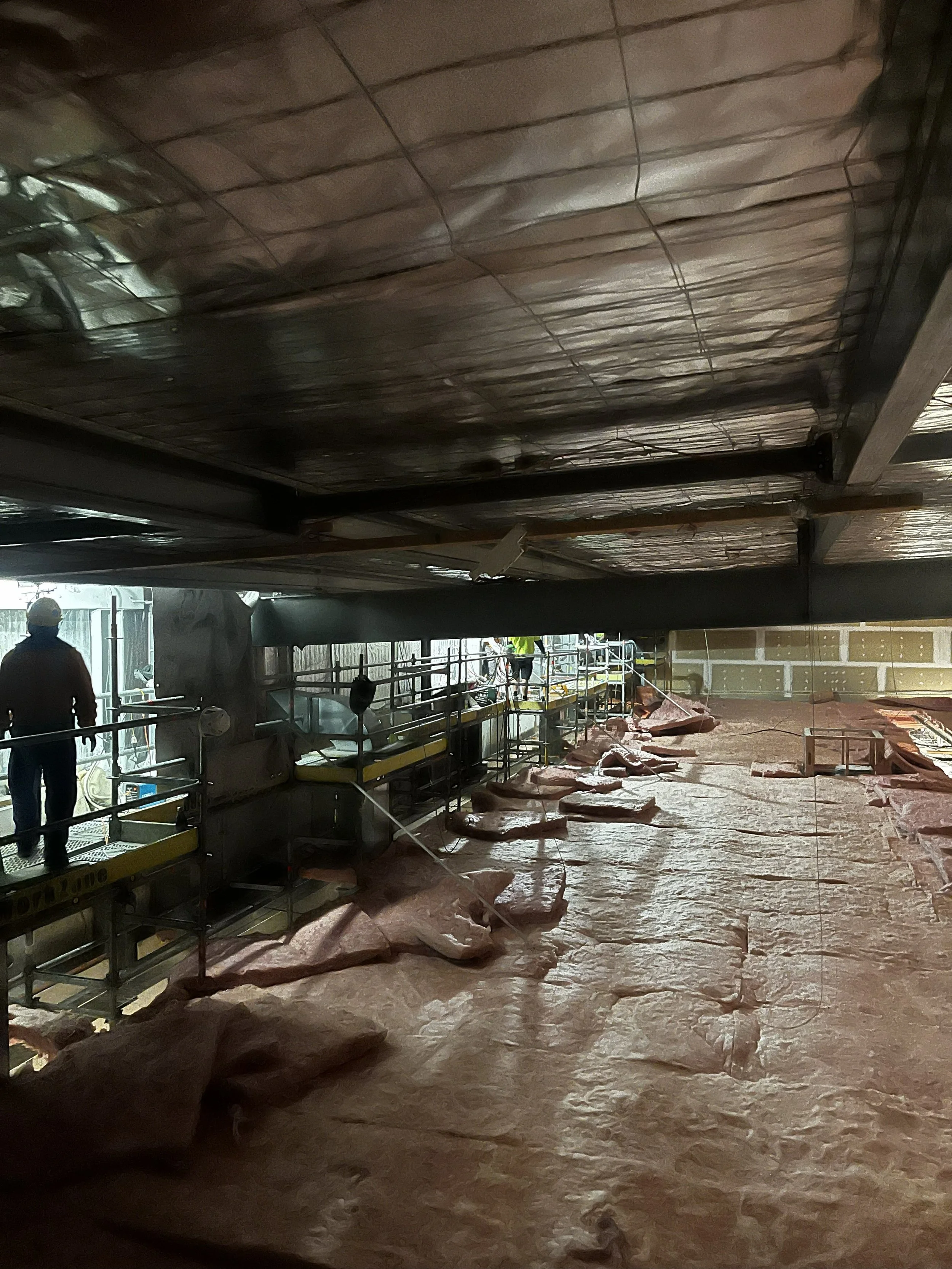
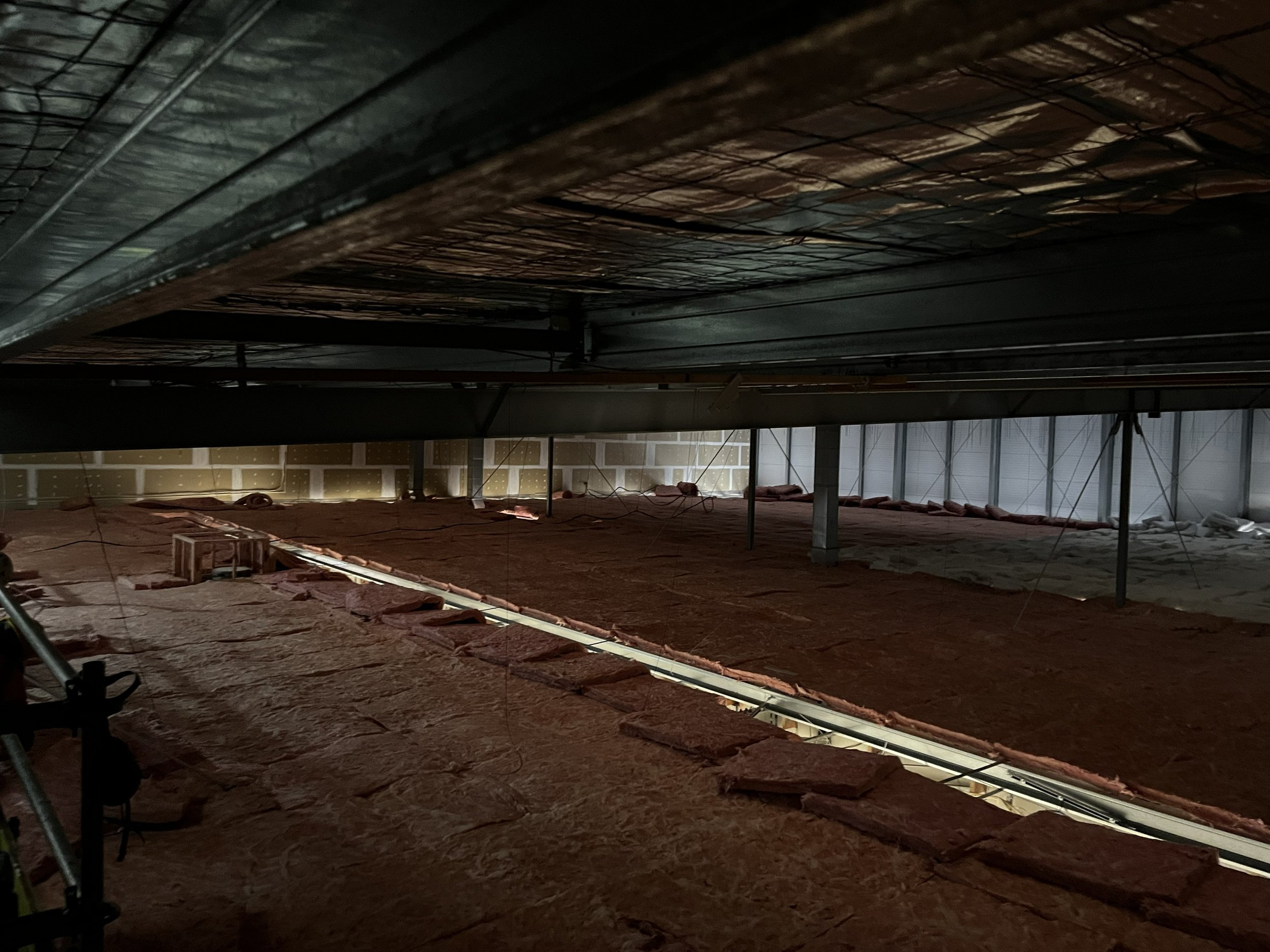
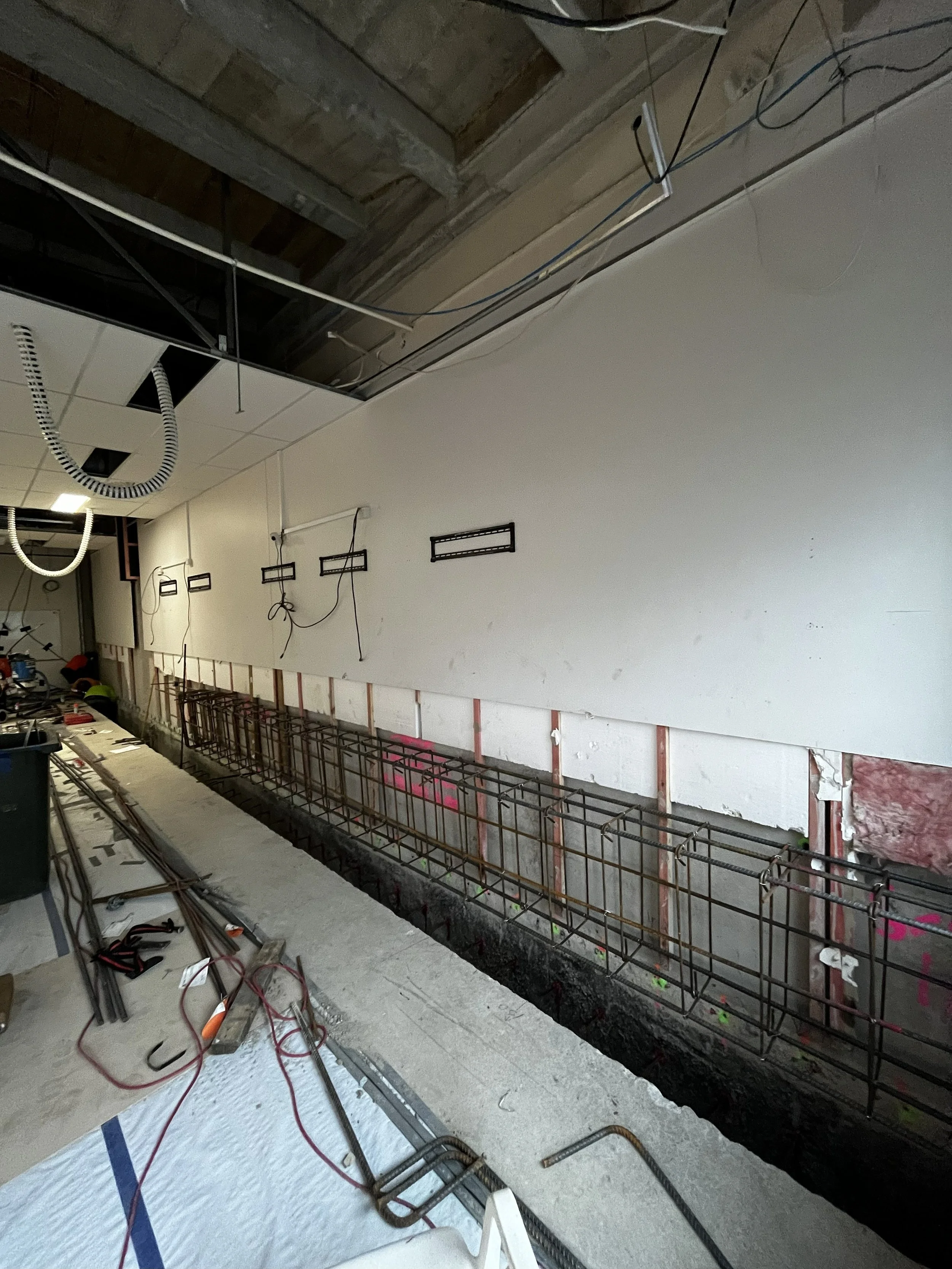
BPM was engaged to manage the full delivery of seismic strengthening works on a commercial building in Porirua, bringing it from its existing earthquake-prone condition to 100% of the New Building Standard (%NBS) - the highest level of earthquake resilience required under current New Zealand law.
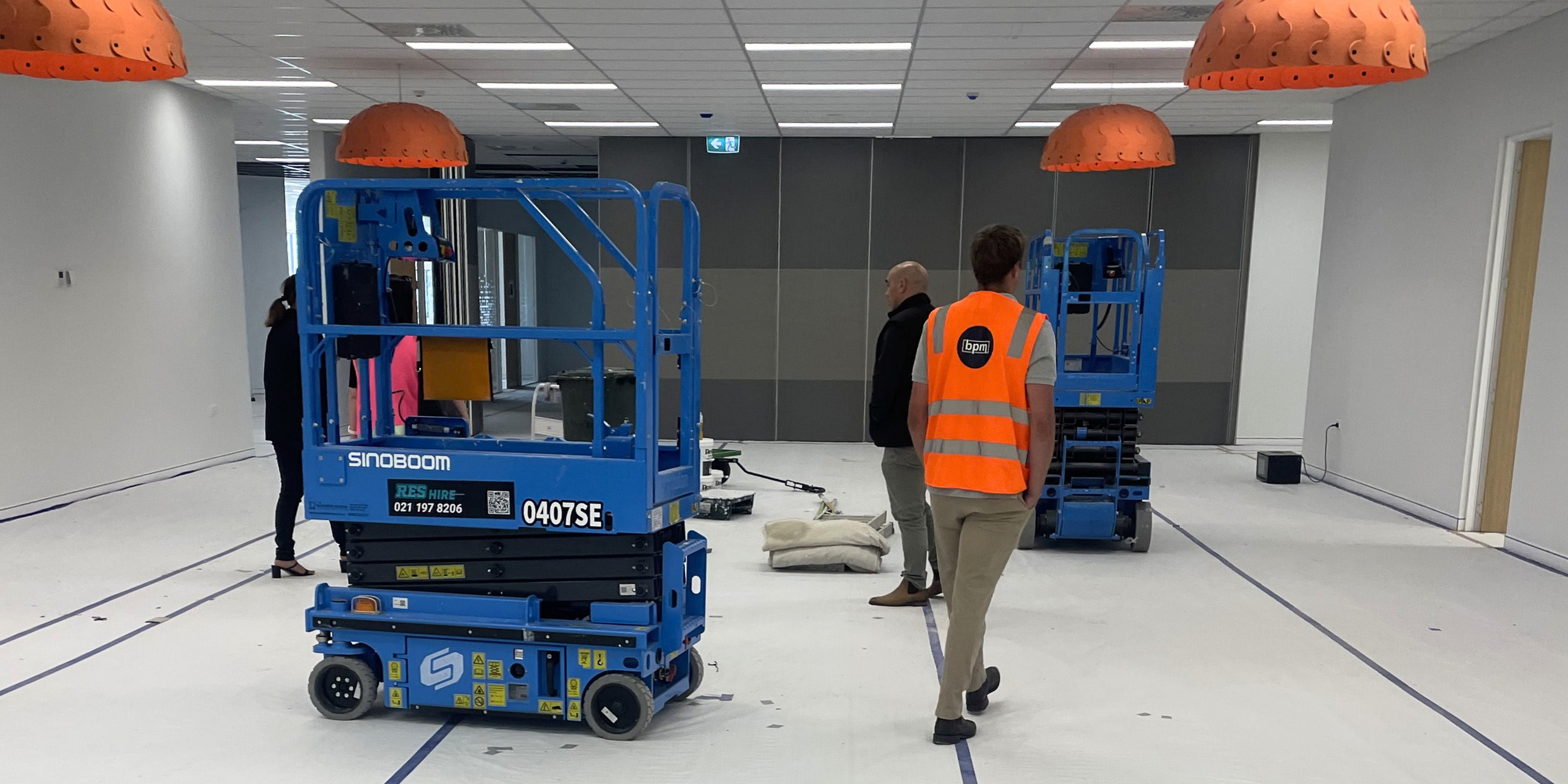
The building housed two established commercial tenants with active operations on both the ground floor and mezzanine level. Delivery had to work around their requirements, their assets, and their need to return to normal operations as quickly as possible.
The project closed six weeks ahead of schedule and under budget. The contractor earned a gainshare bonus. The building owner received their building back earlier than planned – with both tenants resuming operations sooner than anticipated.
-
An Occupied Building, Concealed Conditions, and No Margin for Delay
Two commercial tenants occupied the building at the outset, each with significant operational requirements, fit-out contents, furniture, and equipment. Neither could simply pause while construction took place around them. Before structural works could begin, both needed to vacate - and that decanting process had to be managed as carefully as the construction programme itself. A delayed or poorly coordinated handover to the contractor would have put the programme under immediate pressure before a single structural element had been touched.
Seismic projects surface the unexpected
Strengthening an existing building means working with what is already there - and what is behind the walls, within the slab, and through the connections is often only fully understood once works begin. In an older commercial building in a high-seismicity region, encountering conditions that weren't visible on paper is not a risk to be mitigated away. It is a certainty to be managed. The commercial structure had to reflect that from the outset.A complex multi-party environment
BPM was coordinating across the building owner, both tenants, structural engineers, and the relevant consenting and compliance authorities - all with their own priorities, timelines, and pressure points. Keeping all parties aligned while maintaining construction momentum and protecting the client's commercial position required consistent, proactive communication across the entirety of the project.Dual role responsibility
BPM acted as both Contract Administrator and Independent Certifier under NZS 3910:2023 - a position that required rigorous process discipline and transparent reporting to serve the interests of the project and the client simultaneously.
-
A Contract Structure Built Around the Actual Risk Profile
The most important decision on a seismic strengthening project is often made before anyone sets foot on site: how do you structure the contract?
BPM designed a hybrid commercial model that matched the level of cost certainty to the level of scope certainty. Where structural elements were clearly defined and well understood, works were priced on a fixed price basis - giving the client genuine cost certainty where it was achievable. Where conditions created real uncertainty in scope and cost, works were placed under a target price mechanism with a 50/50 gainshare and painshare split between client and contractor.
That split is not cosmetic. It means both parties had a direct financial stake in managing cost efficiently. The contractor was not incentivised to allow costs to drift, and the client was not exposed to uncapped risk on the unknowns. Open book reporting was maintained throughout, with monthly reconciliations tracking actual cost against the target price and providing a reliable forecast of final outturn at every stage – acting as a great management tool as well as an exercise in compliance.
Early contractor involvement
Contractors were brought in before works commenced on-site, which shaped everything that followed. Constructability input at the planning stage influenced the programme, the sequencing, and the safety methodology. Decisions made in that room were far cheaper than changes forced by on-site conditions later. Early engagement also meant the contractor was accountable to a programme they had actively contributed to - not handed one to execute.Decanting managed as a project phase
The tenant relocation process was treated with the same planning rigour as the structural works themselves. BPM coordinated the decanting of both tenants - managing logistics, timing, asset cataloguing, and off-site storage - so that the contractor received a building ready for full works from day one.Staged communication and stakeholder walkthroughs
Regular site walkthroughs with all key parties kept emerging conditions, design decisions, and programme impacts visible and resolved in real time. Issues were surfaced and addressed as they arose and prevented from compounding into disputes or delays.Contingency built around reality, not optimism
A clear process for identifying, documenting, and assessing unknown conditions against the target price and programme was established before works began. When the unexpected emerged - as it always does on seismic projects - BPM had a framework for processing it quickly, before it became a variation dispute.
-
100% NBS, Six Weeks Early, Under Budget
The seismic strengthening project was completed six weeks ahead of programme and under the target price. The savings against the target triggered the bonus mechanism, rewarding well-managed delivery - while returning the building to the owner materially ahead of schedule.
100% New Building Standard achieved
The building now meets the highest level of seismic resilience required under New Zealand law. For a building in Wellington's seismic region, that is a meaningful life safety outcome - for the tenants who occupy it, the people who visit it, and the surrounding community.Both tenants returned to operations earlier than planned
The six-week programme saving gave both tenants earlier certainty on reoccupation, reducing the operational and financial impact of their temporary displacement.Under budget, with gainshare earned
The project closed under the target price. The contractor earned a performance bonus. The client retained their share of the savings. The contract structure did exactly what it was designed to do - align both parties' incentives toward efficient delivery, and reward genuine performance.Existing building assets protected and reinstated
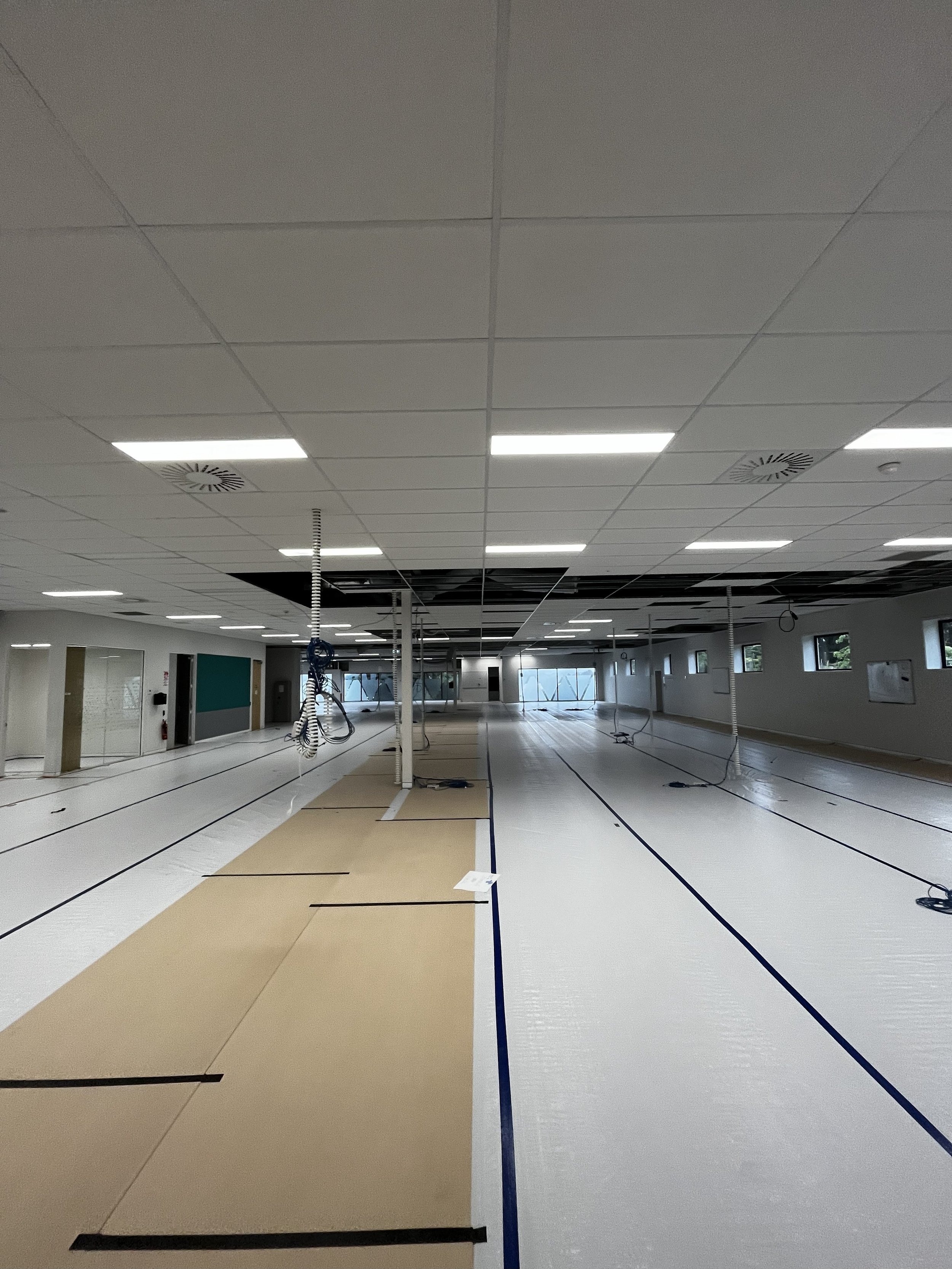
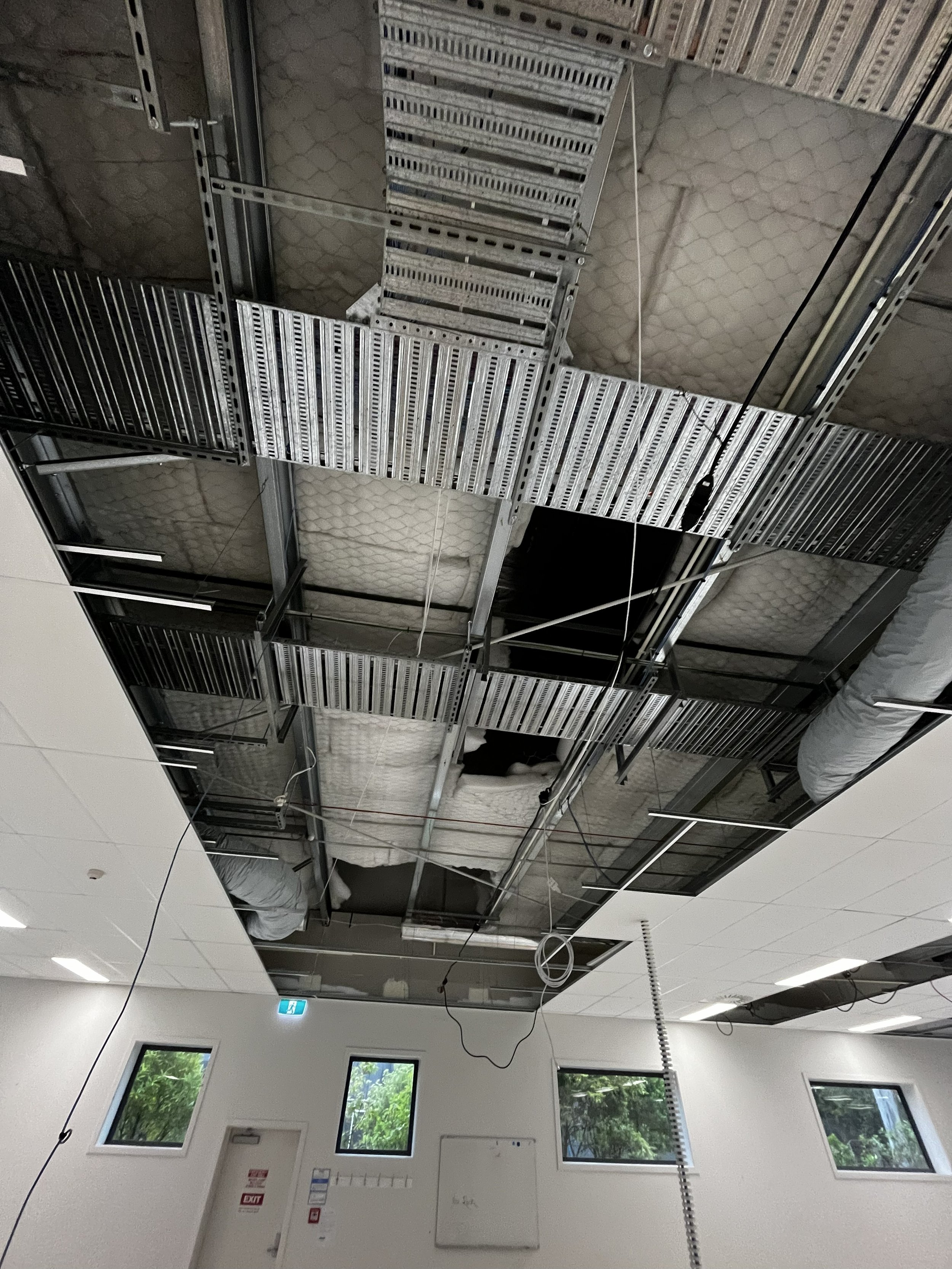
Where ceiling tiles, floor coverings, services, and other building contents could be retained, they were. This approach avoided unnecessary waste and the cost and carbon impact of replacement materials, treating the existing building as an asset to be preserved throughout the works.
Why This Project Matters for Building Owners Across New Zealand
New Zealand has tens of thousands of earthquake-prone buildings. The obligation to strengthen or demolish them sits with building owners, and the path to 100% NBS is rarely simple - especially when tenants are in place, the structure's condition is only partially understood, and the wrong contract structure can leave a client exposed to cost blowout the moment conditions change.
BPM's experience on demonstrates what disciplined project management and smart commercial structuring look like on a seismic strengthening project. If you own an earthquake-prone building and you're planning a strengthening programme, the commercial decisions you make at procurement stage will determine whether your project closes like this one did.
Start with the fundamentals. BPM's Target Price Contracts Guide explains how hybrid contract models work under NZS 3910:2023, when to use them, and how to structure the gainshare mechanism to protect your interests.
Want to understand when and why target price contracts are the right tool for your project?

Target Price Contracts: A Real World Guide
Target Price Contracts under NZS 3910:2023 are becoming the go-to procurement model for complex, uncertain, or high-value construction projects in New Zealand — but they only work when both parties understand the mechanics. This free guide breaks down how gainshare and painshare operate, what open-book cost reporting actually requires, how to manage Target Price adjustments, and what governance controls protect your interests. Useful for clients, asset owners, and project teams navigating refurbishments, seismic strengthening works, or brownfield developments.

Earthquake Strengthening: An Asset Owners Guide
Earthquake-prone building regulations in New Zealand are changing — and the consequences of getting it wrong are significant. This free guide covers everything asset owners, investors, and developers need to know: how %NBS ratings work, what ISA and DSA seismic assessments involve, and what the 2025 EPB reforms mean for your compliance obligations, insurance position, and property value. Whether you're assessing a newly acquired building or planning a strengthening programme, this is a practical starting point.
Strengthen Your Building With the Right Team
BPM works with building owners across New Zealand to manage seismic strengthening projects - from commercial structuring and early contractor engagement through to completion and handover. If you're planning a strengthening programme, talk to us before you go to tender.