

Tasman District Council | Richmond Resource Recovery Centre
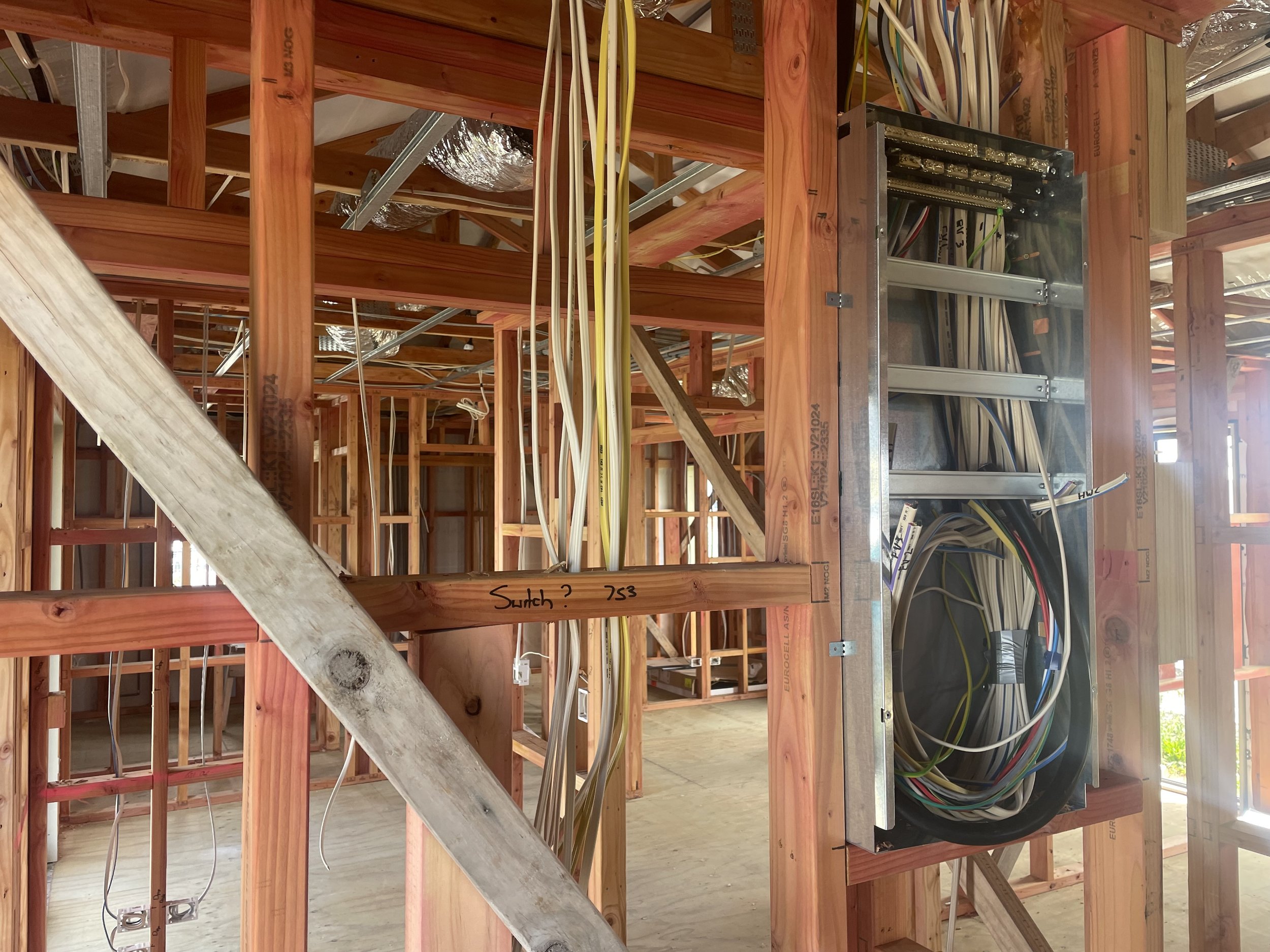
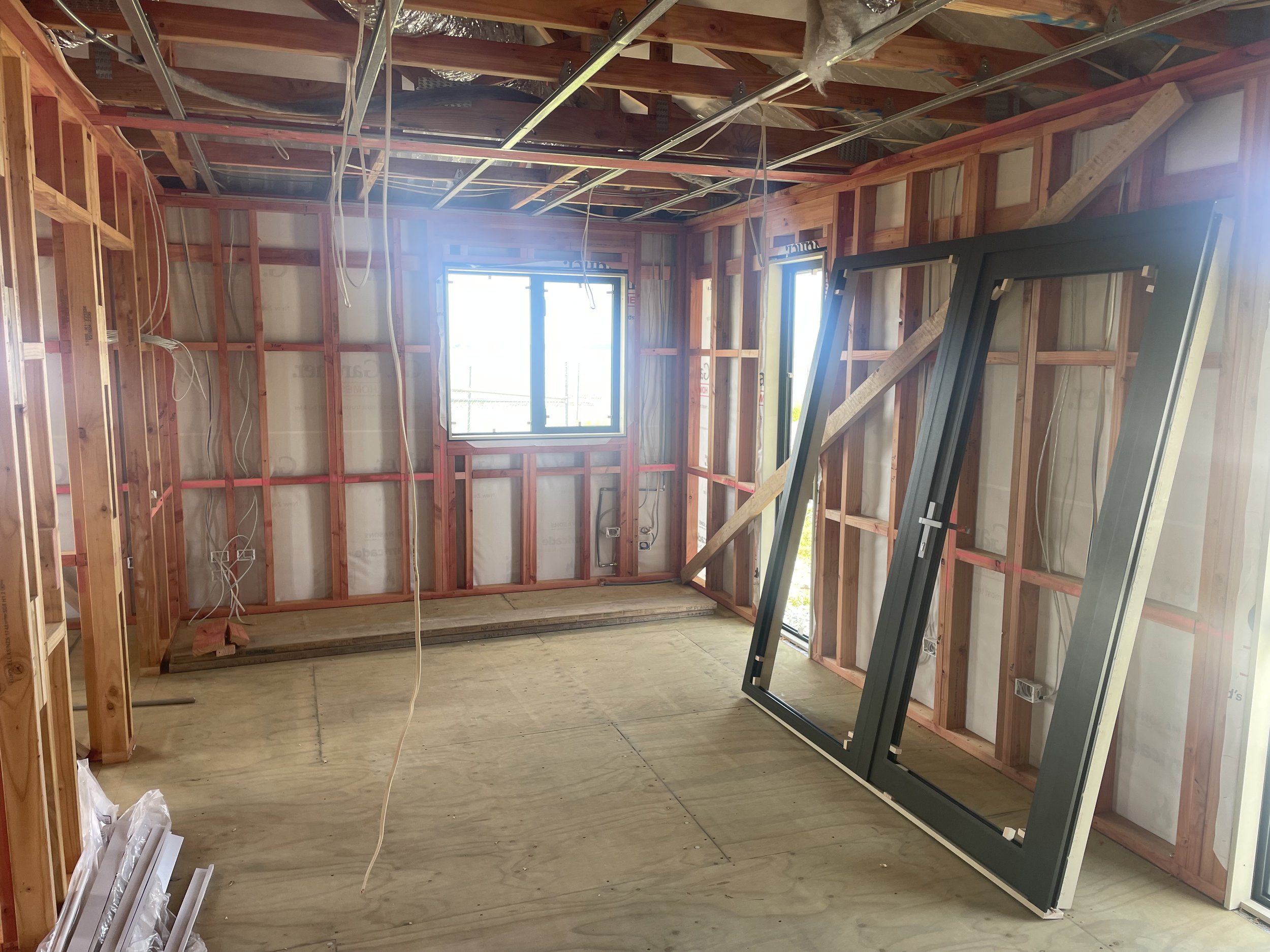
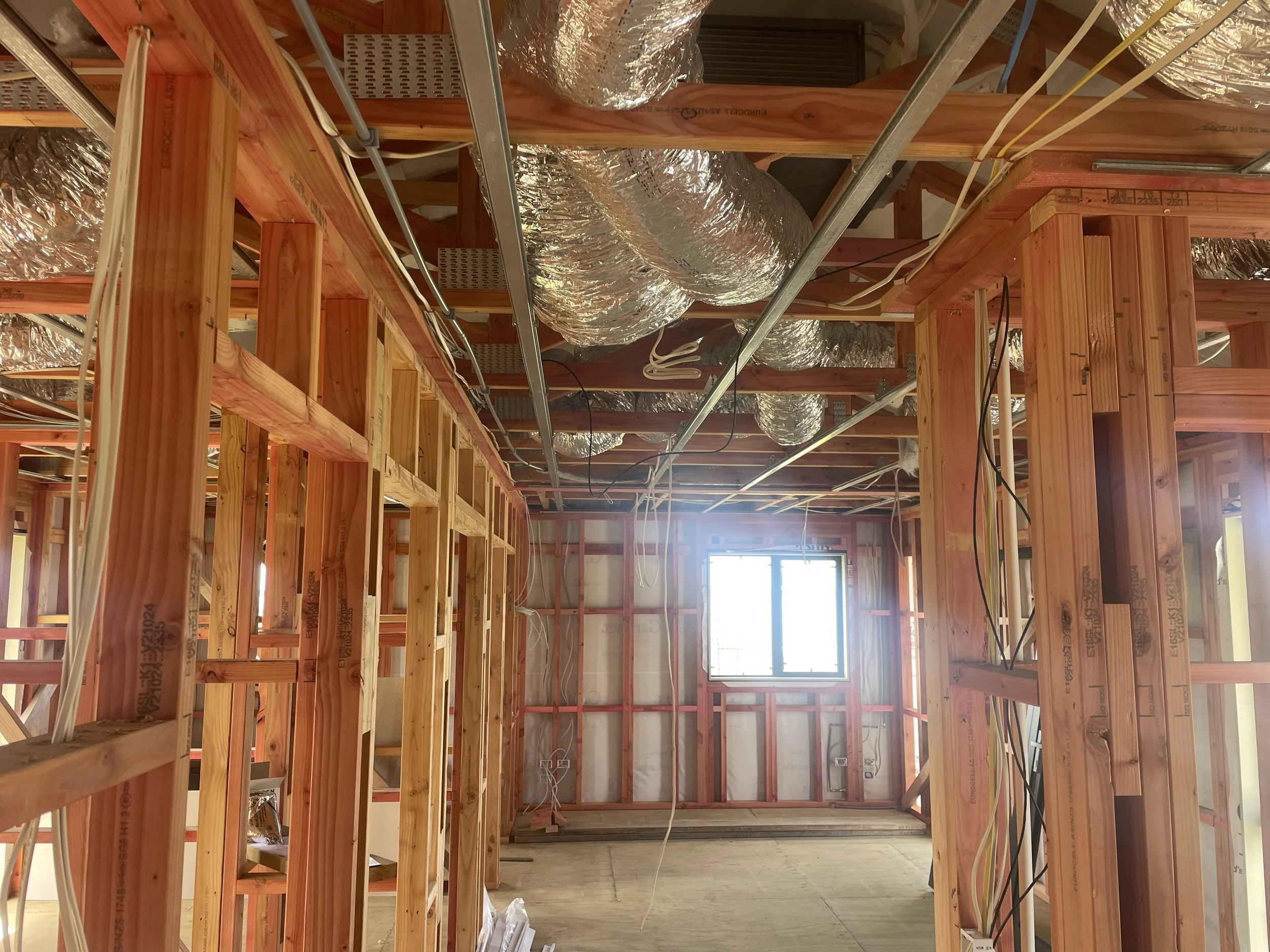
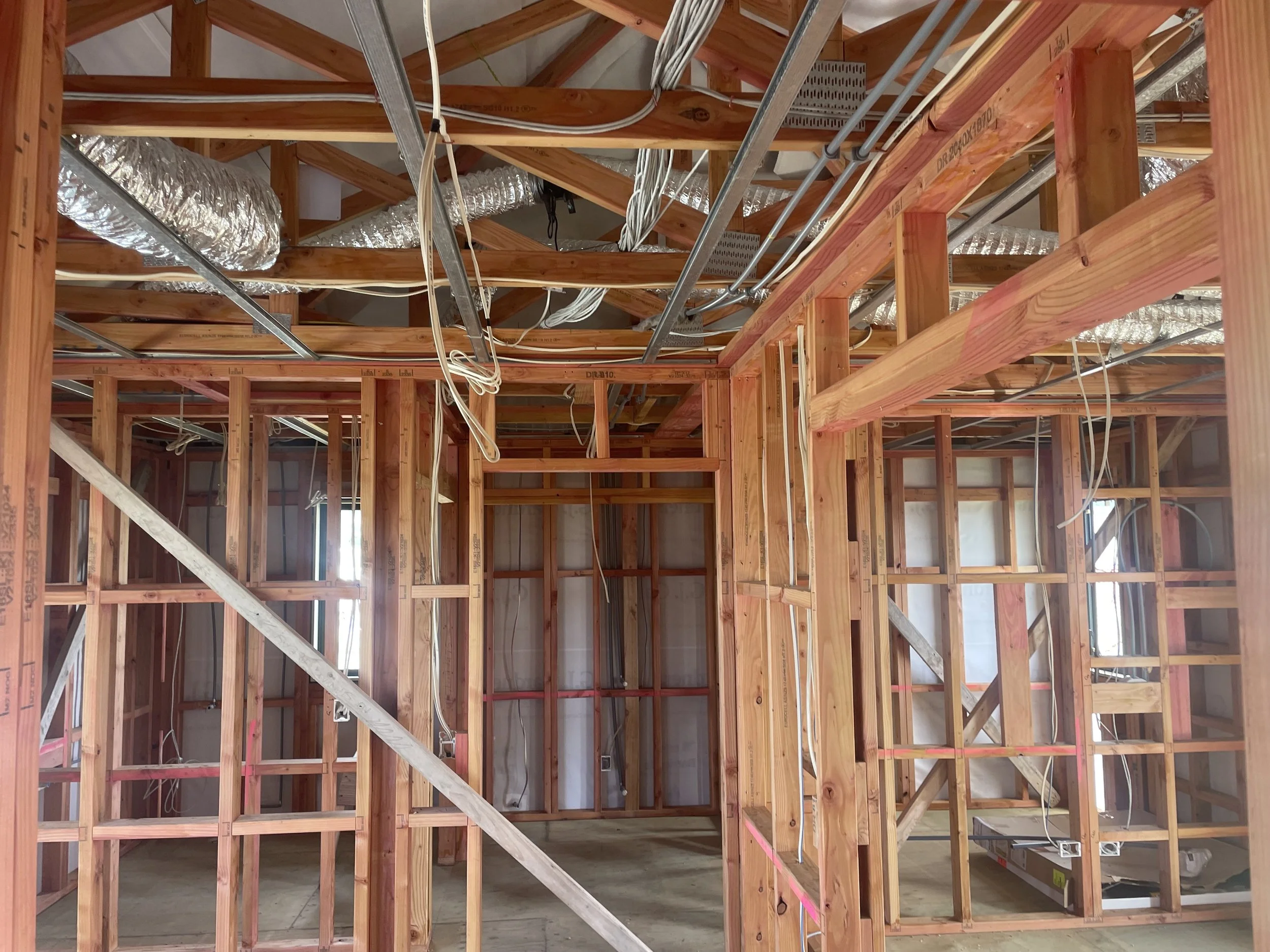






Client: Tasman District Council
Project Type: Commercial, Industrial, Civil Works, Community, Infrastructure
Project Manager: Dan Roberts
Location: Richmond, Tasman
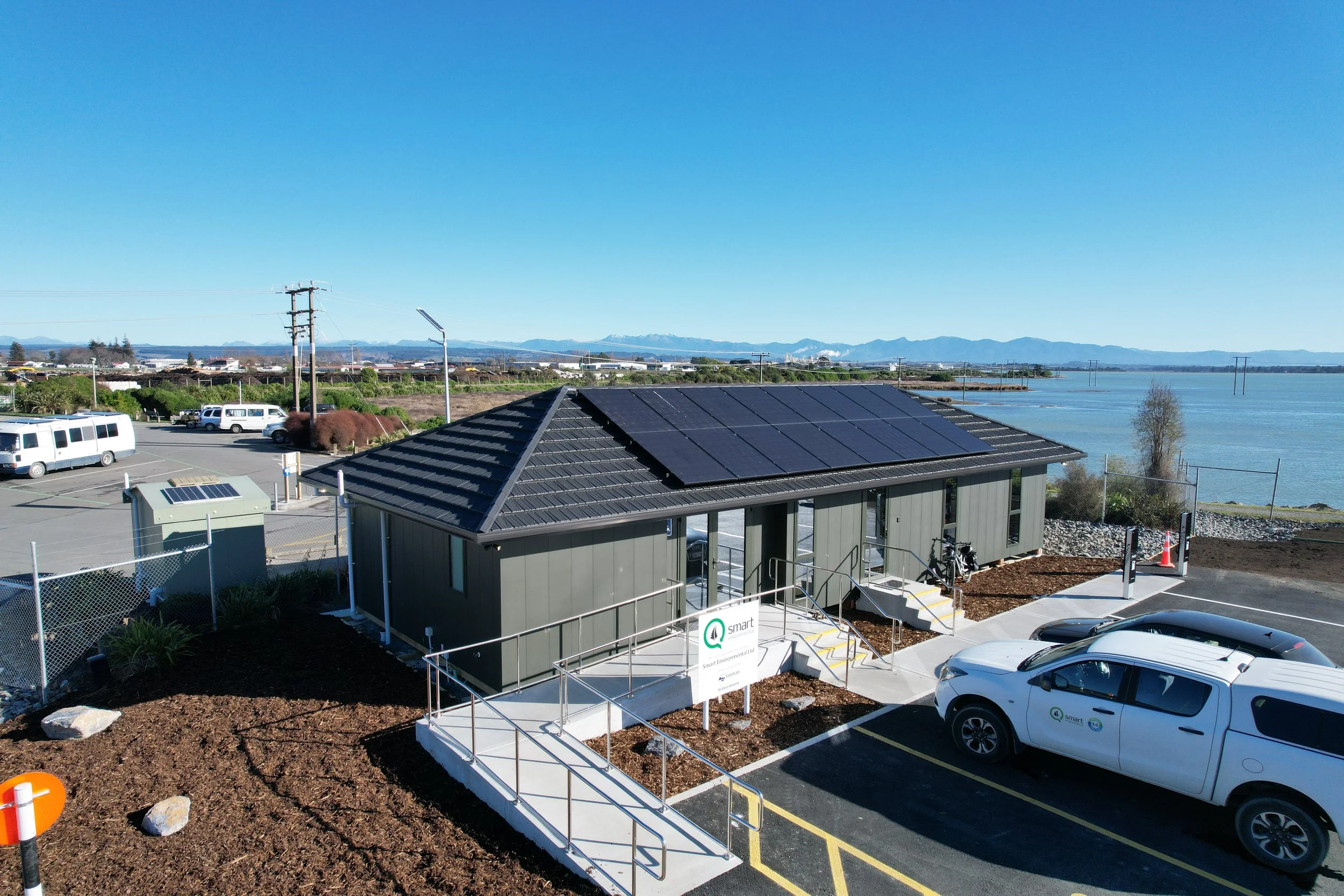
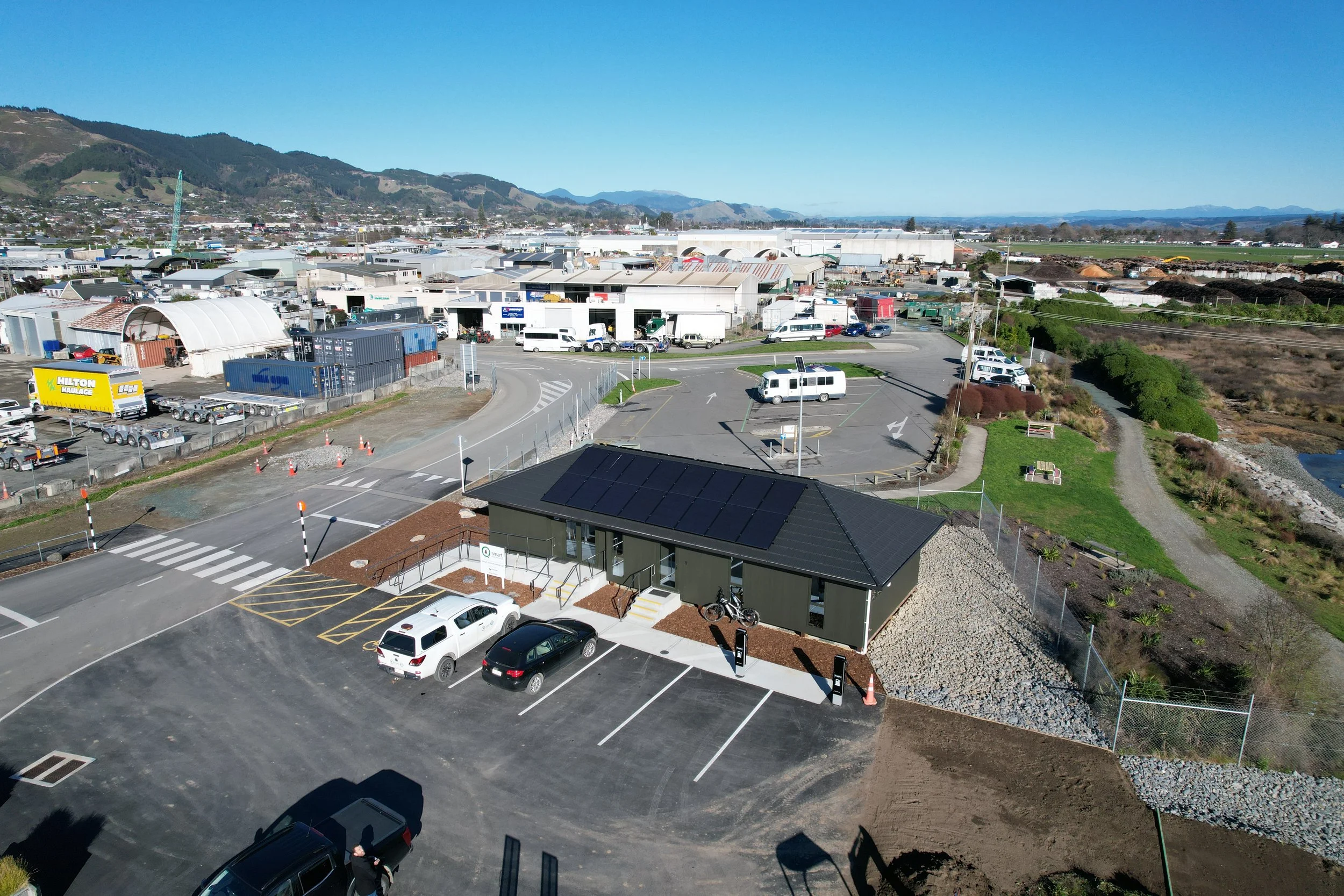
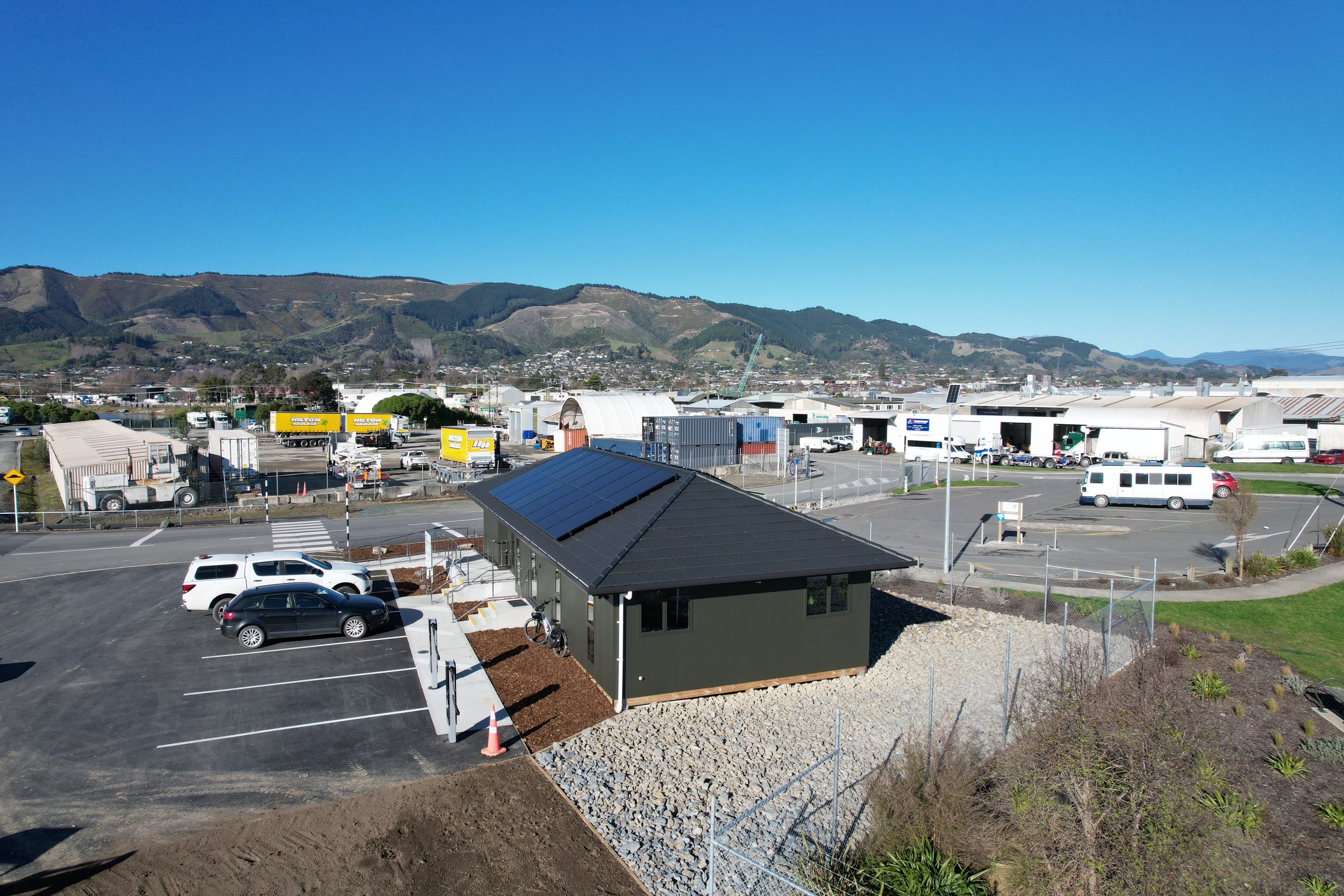
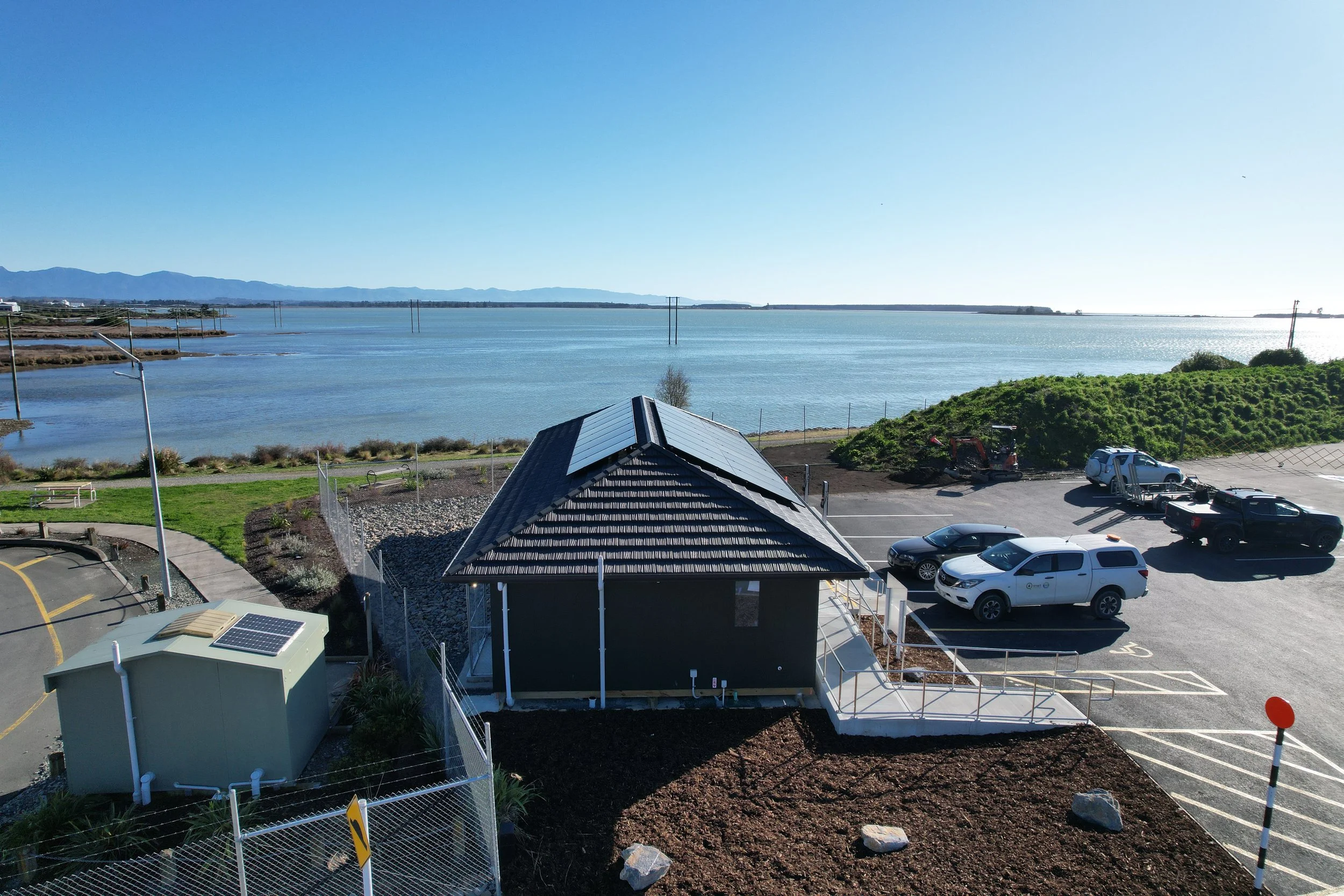
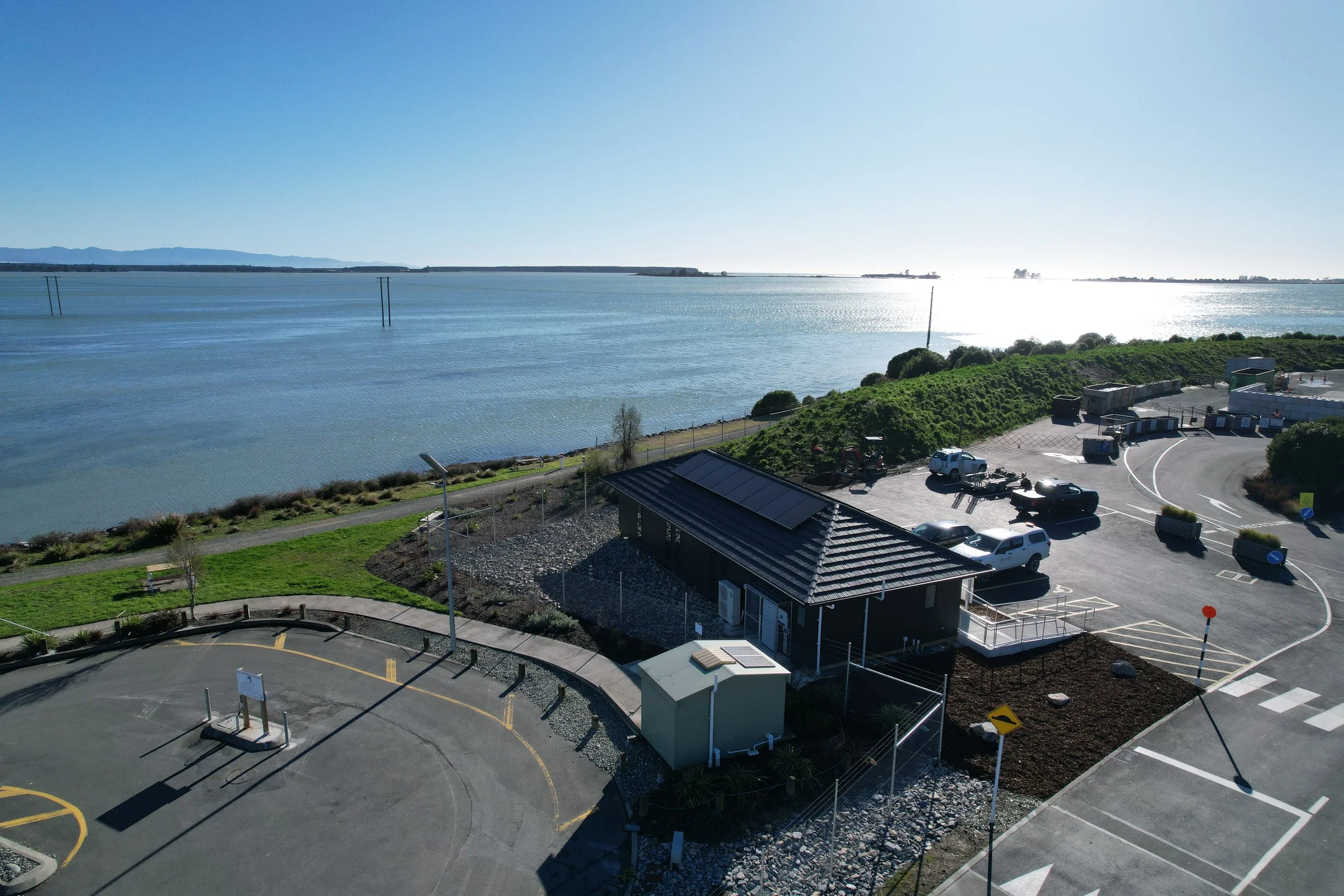
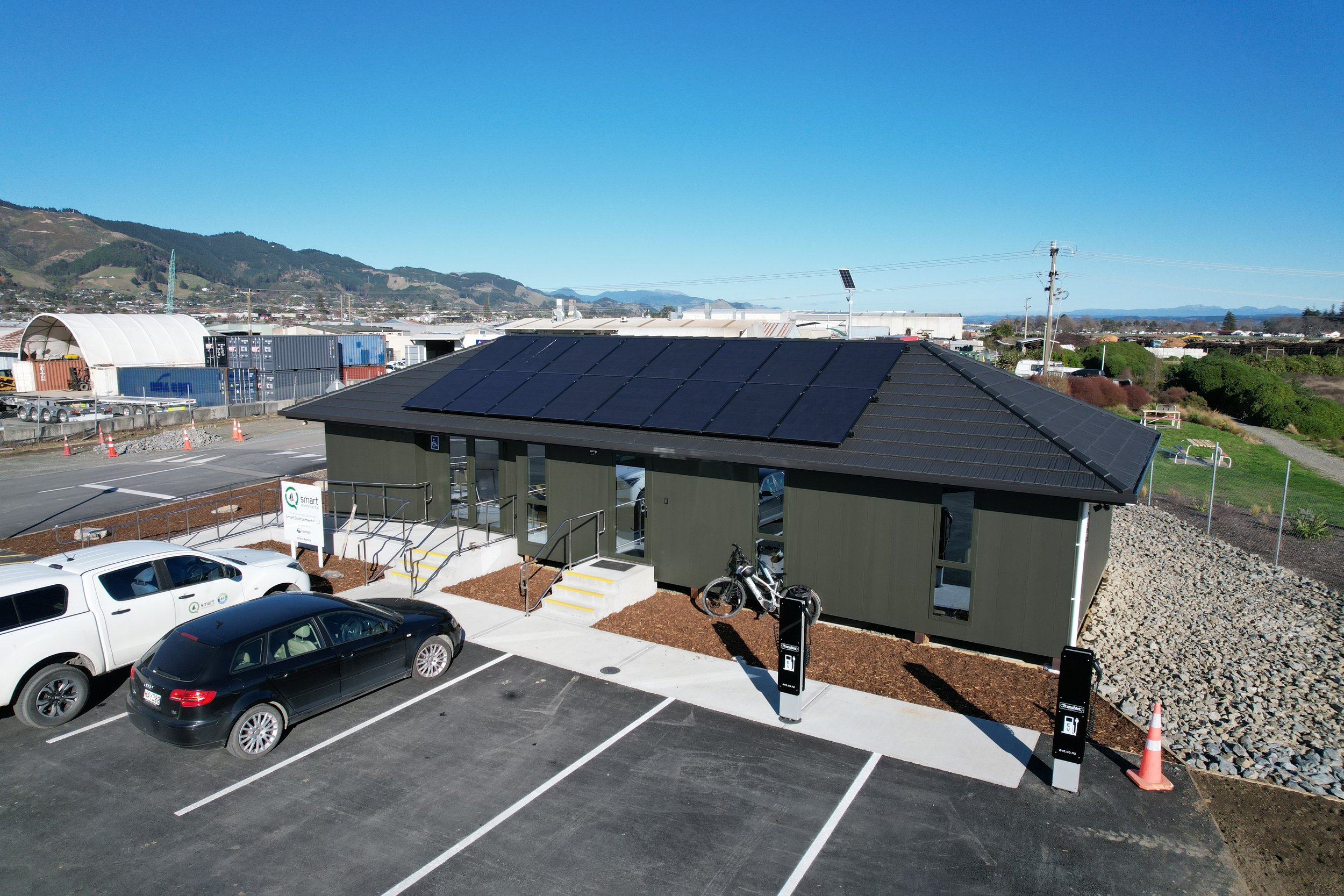
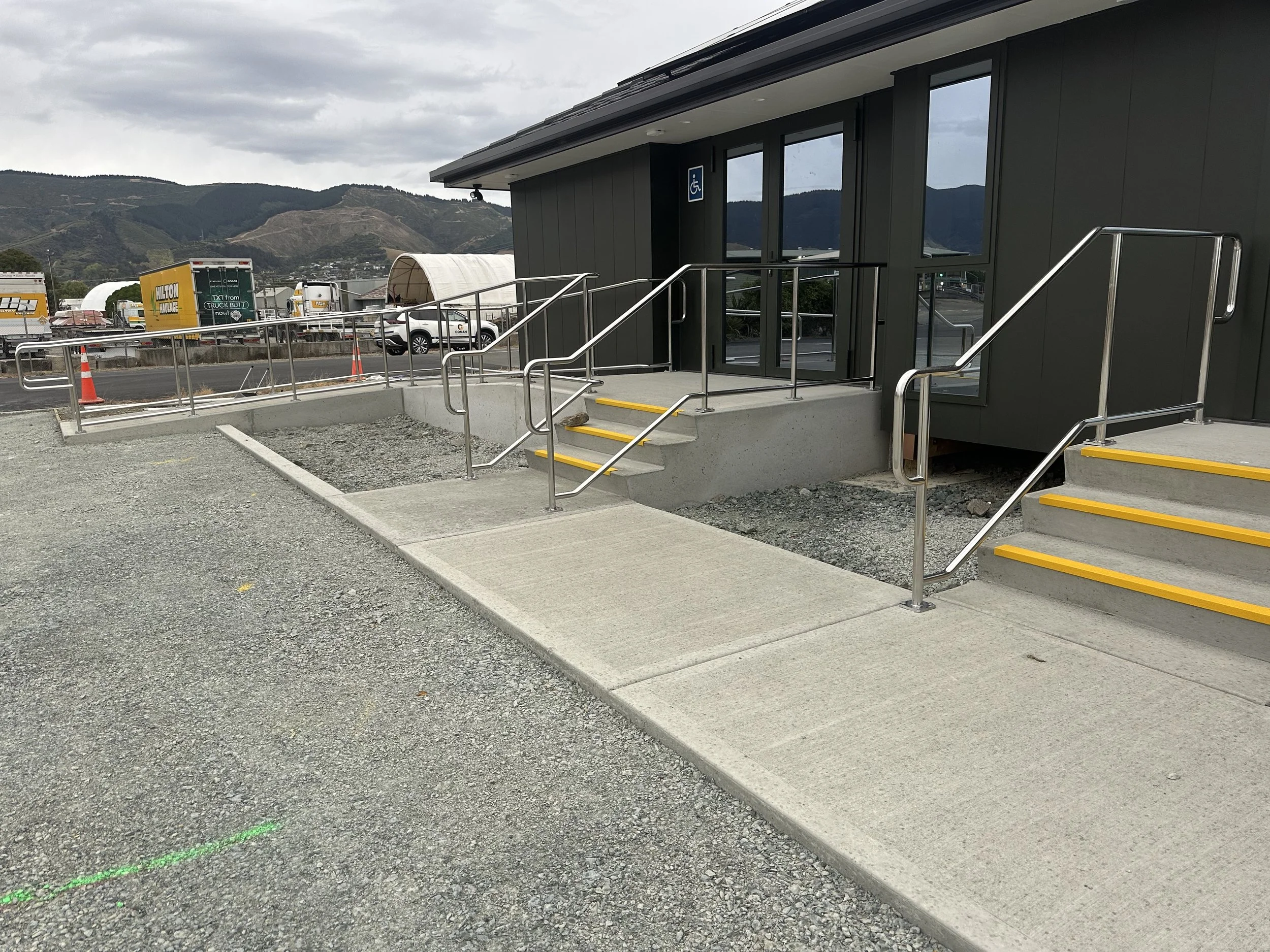
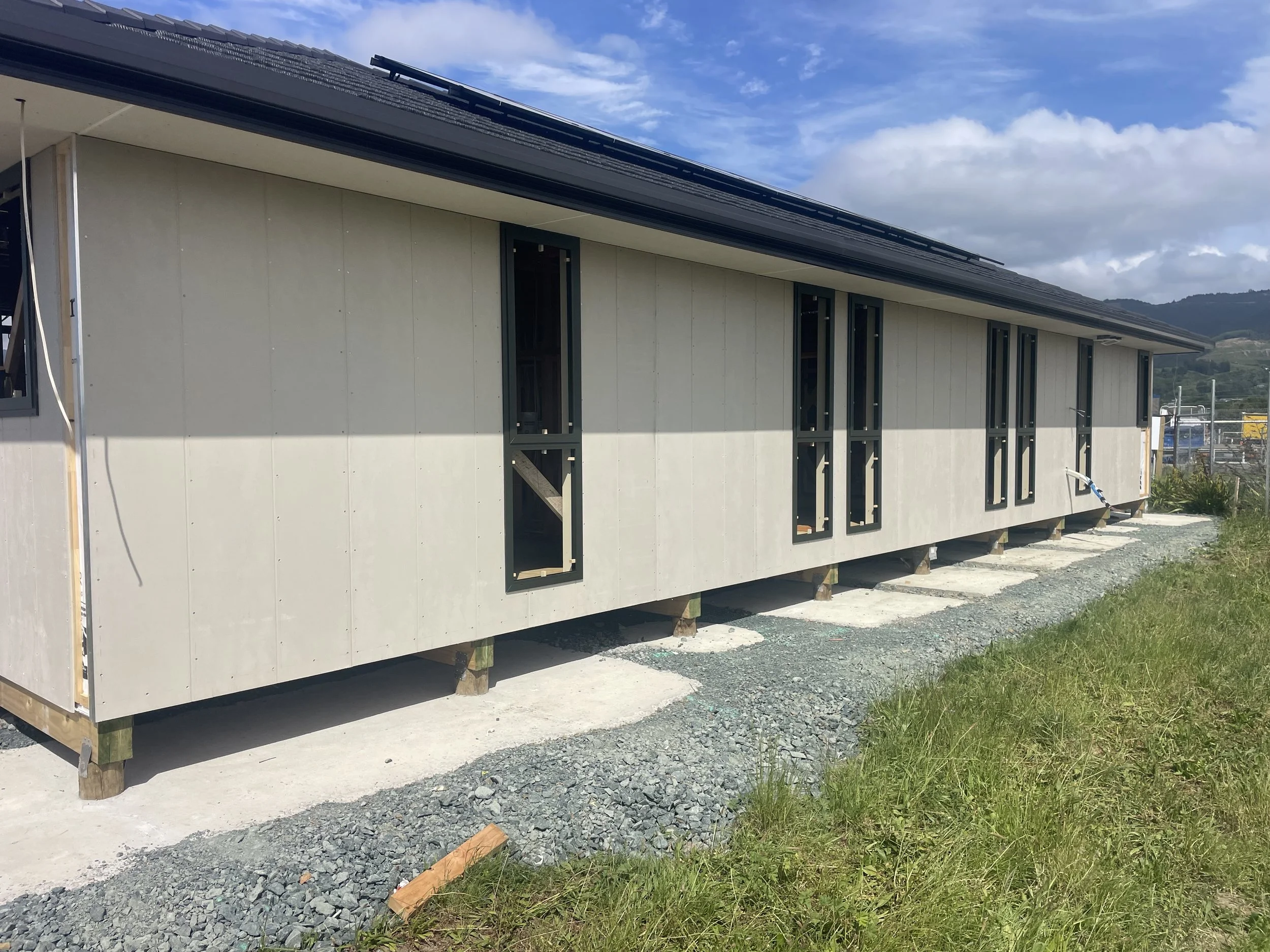
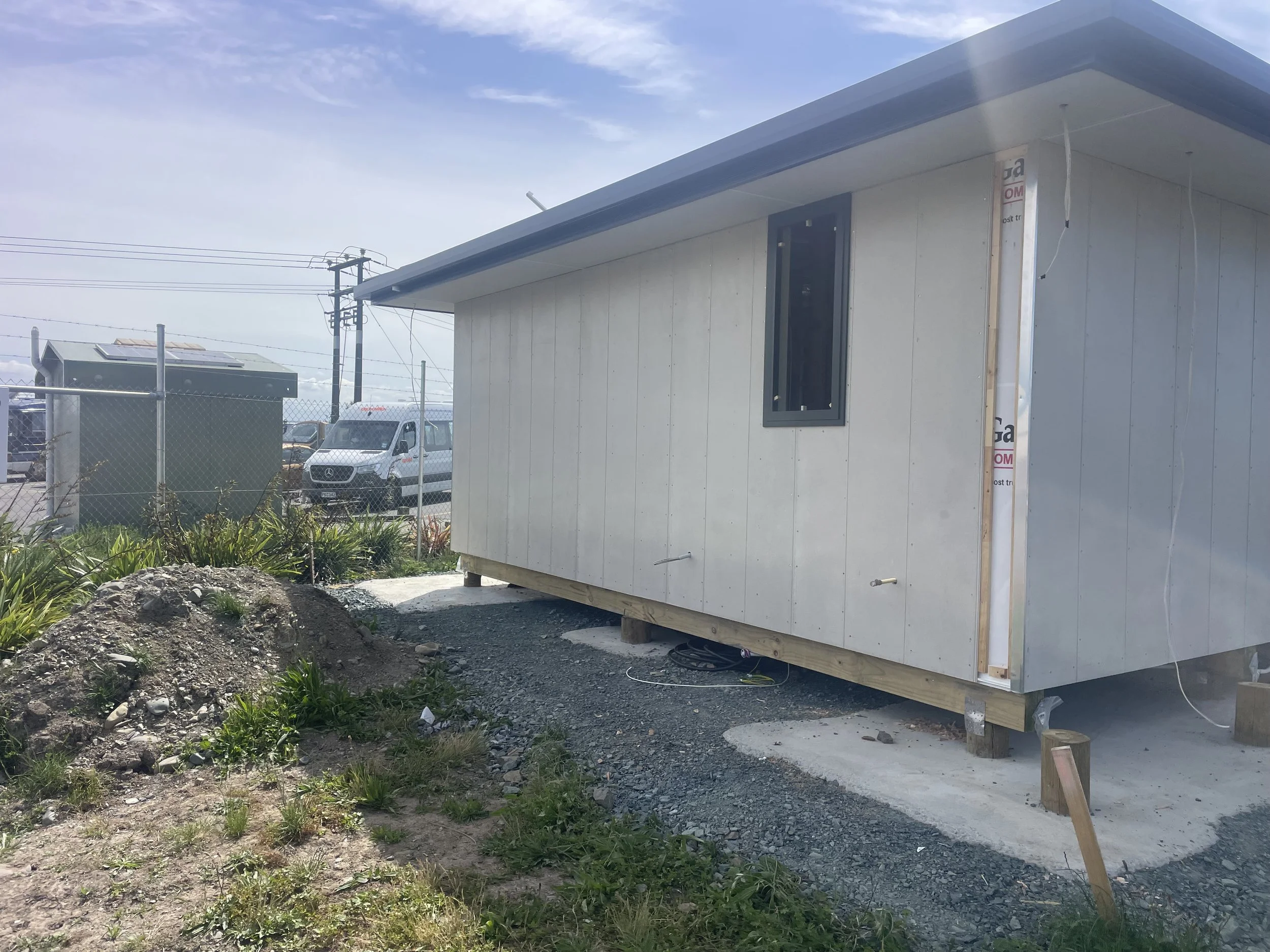
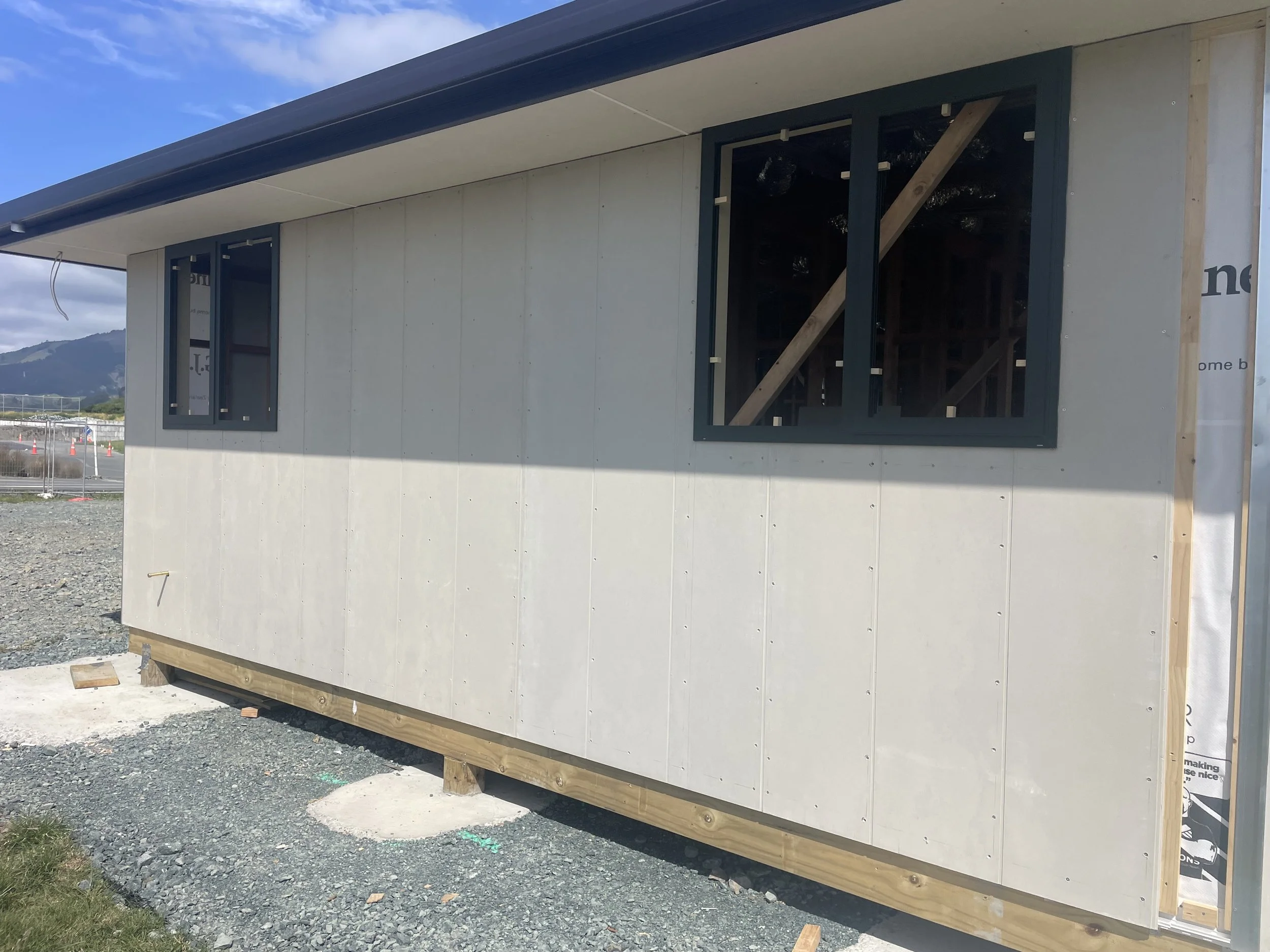
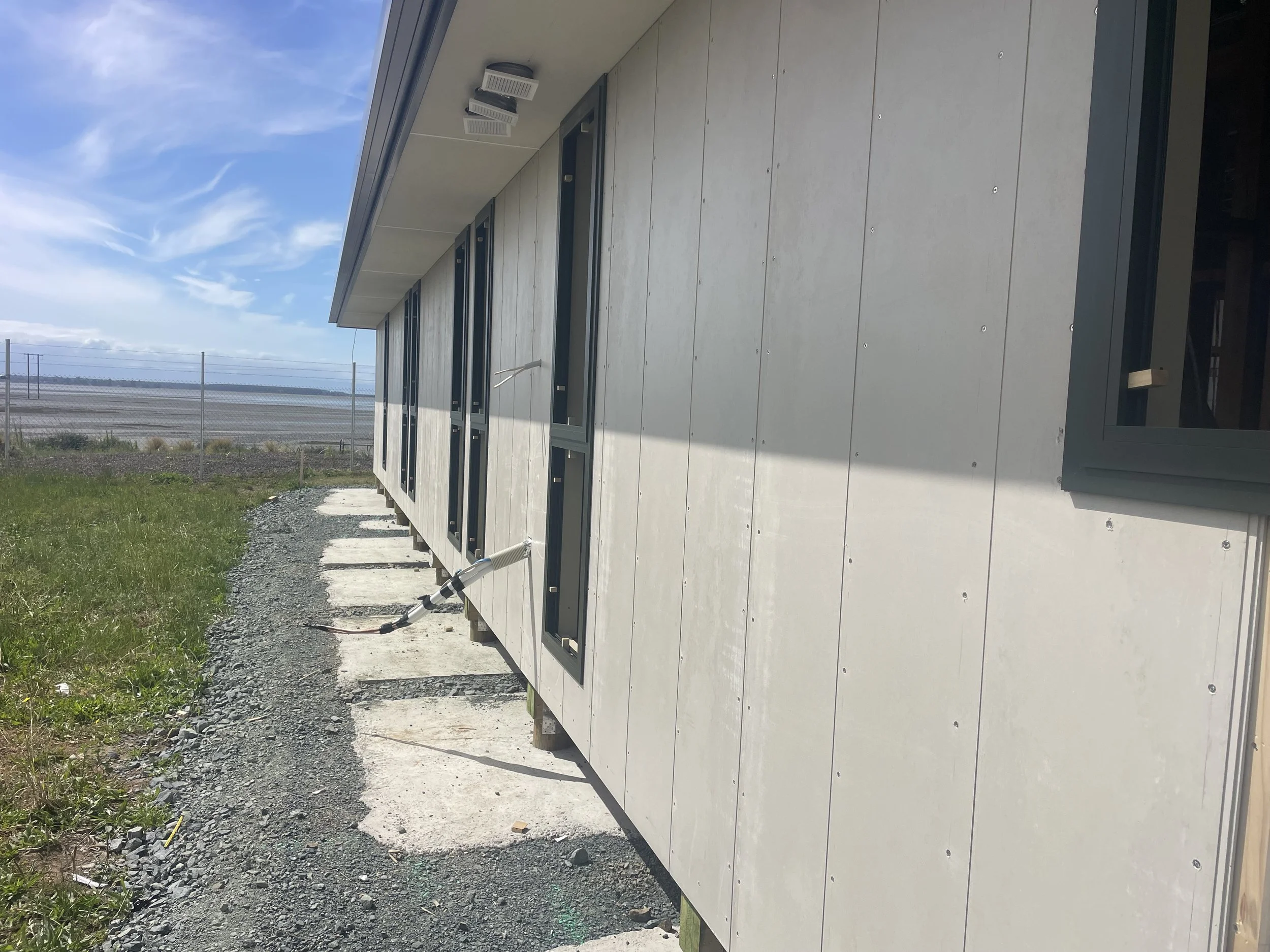
BPM Ltd delivered a new office and public reception building for Tasman District Council’s Recovery Resource Centre in Richmond, Tasman, replacing outdated staff offices with a modern, energy-efficient workspace and a professional front-of-house experience.
Delivered under a Design and Build contract with Coman Construction as principal contractor and JTB Architects leading design, the project incorporated a strong sustainability brief - including an 11kW solar system, energy-efficient LED lighting, efficient HVAC, low-VOC materials, and on-site waste separation - while overcoming the technical challenges of building on reclaimed land within an active operational site.
"BPM took the time to understand what both Council and the building's users, Smart Environmental, needed, and delivered quality programme outcomes despite some tricky ground conditions. BPM and their team worked through the challenges with us rather than around us. It was a genuinely collaborative process, and we've since engaged them for a second building on the same site. Having a project manager we can trust to hit the ground running, with strong contractors and consultant relationships - has made a real difference."
- Tasman District Council
-
Tasman District Council needed to replace ageing, worn-out offices with a modern working environment for staff and a reception space that properly reflected Council's professional standards for the public. The brief included a firm sustainability mandate: an 11kW solar installation, energy-efficient LED lighting, efficient heating and ventilation systems, minimised use of VOC-containing materials, and waste management during construction.
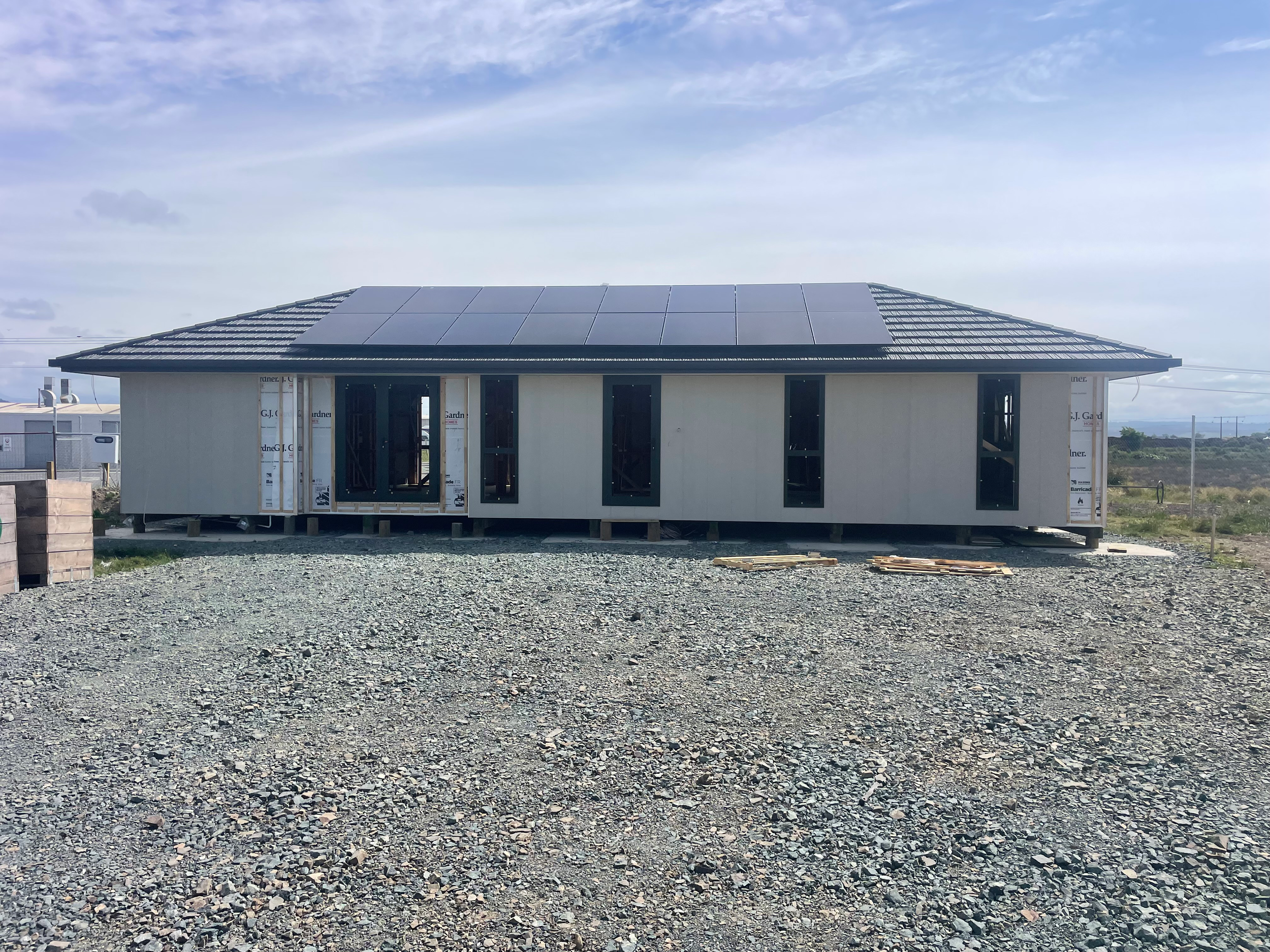
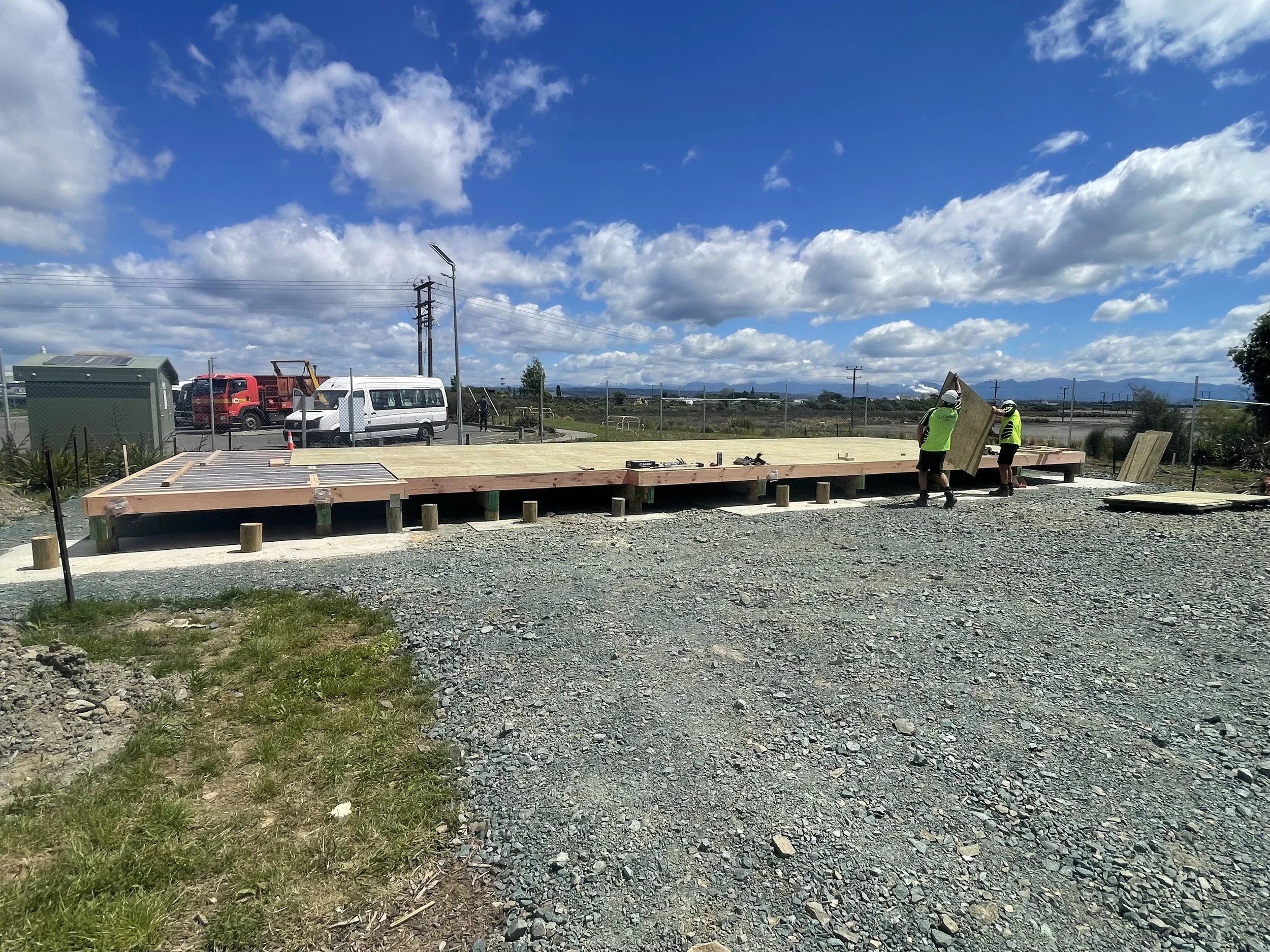
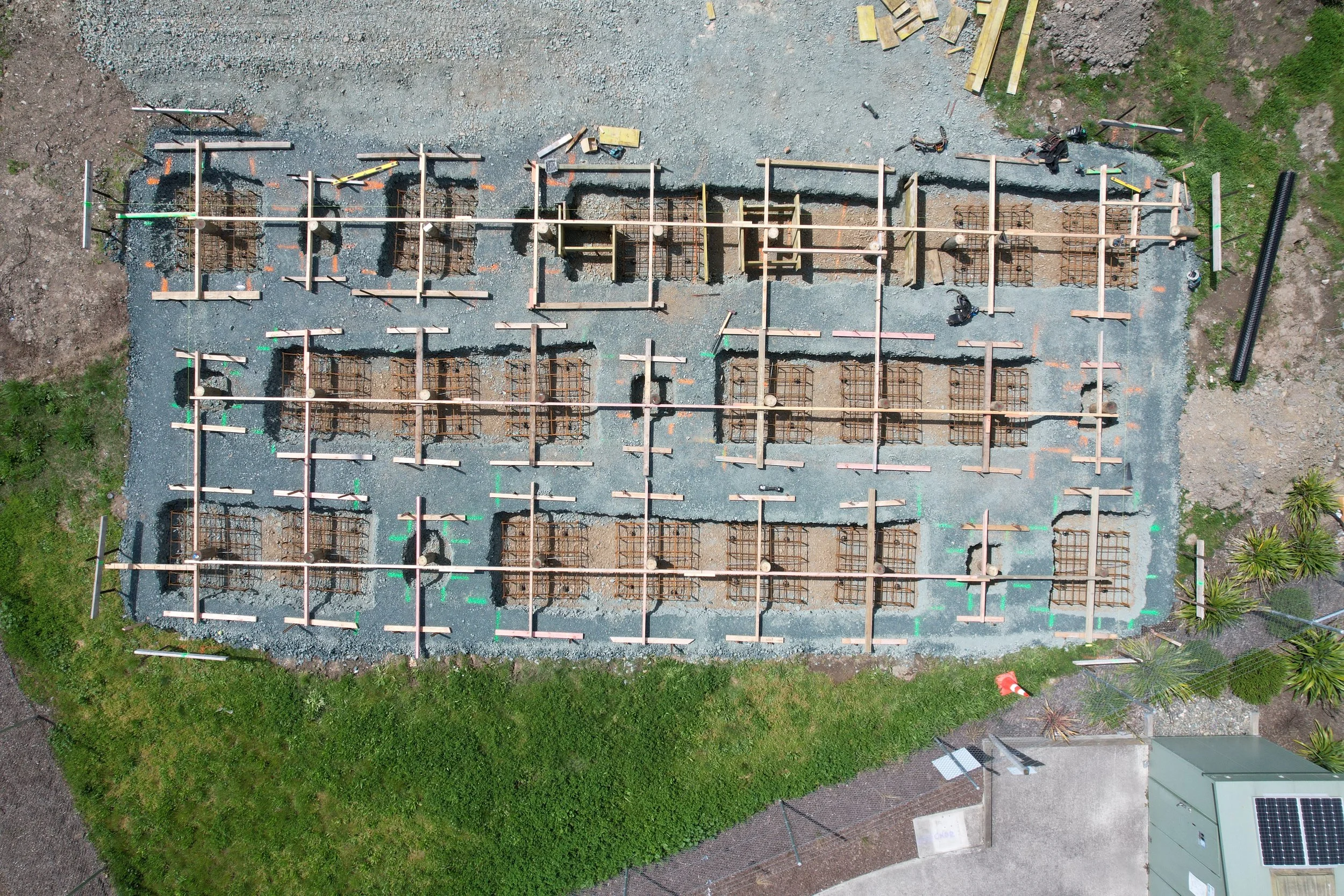
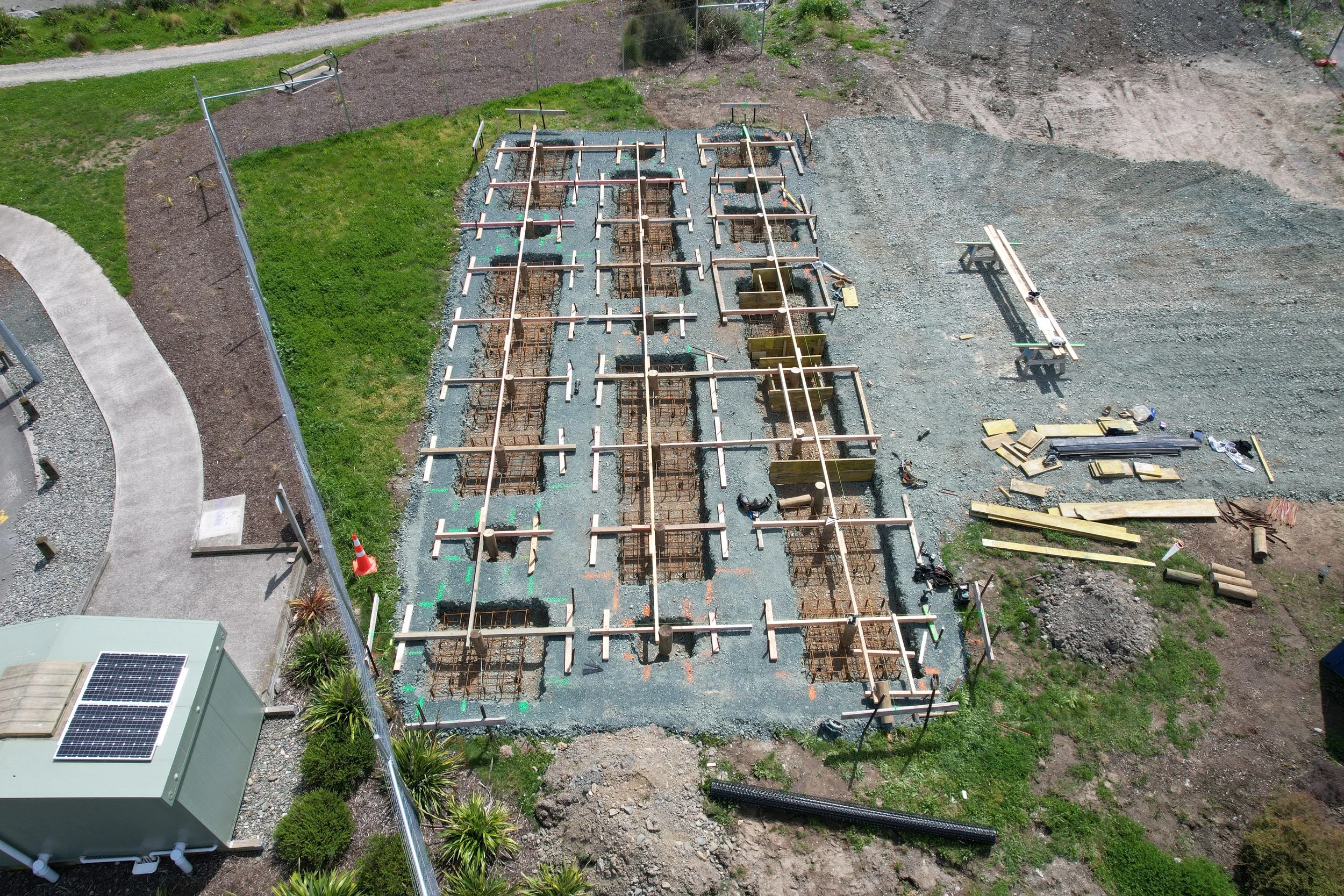
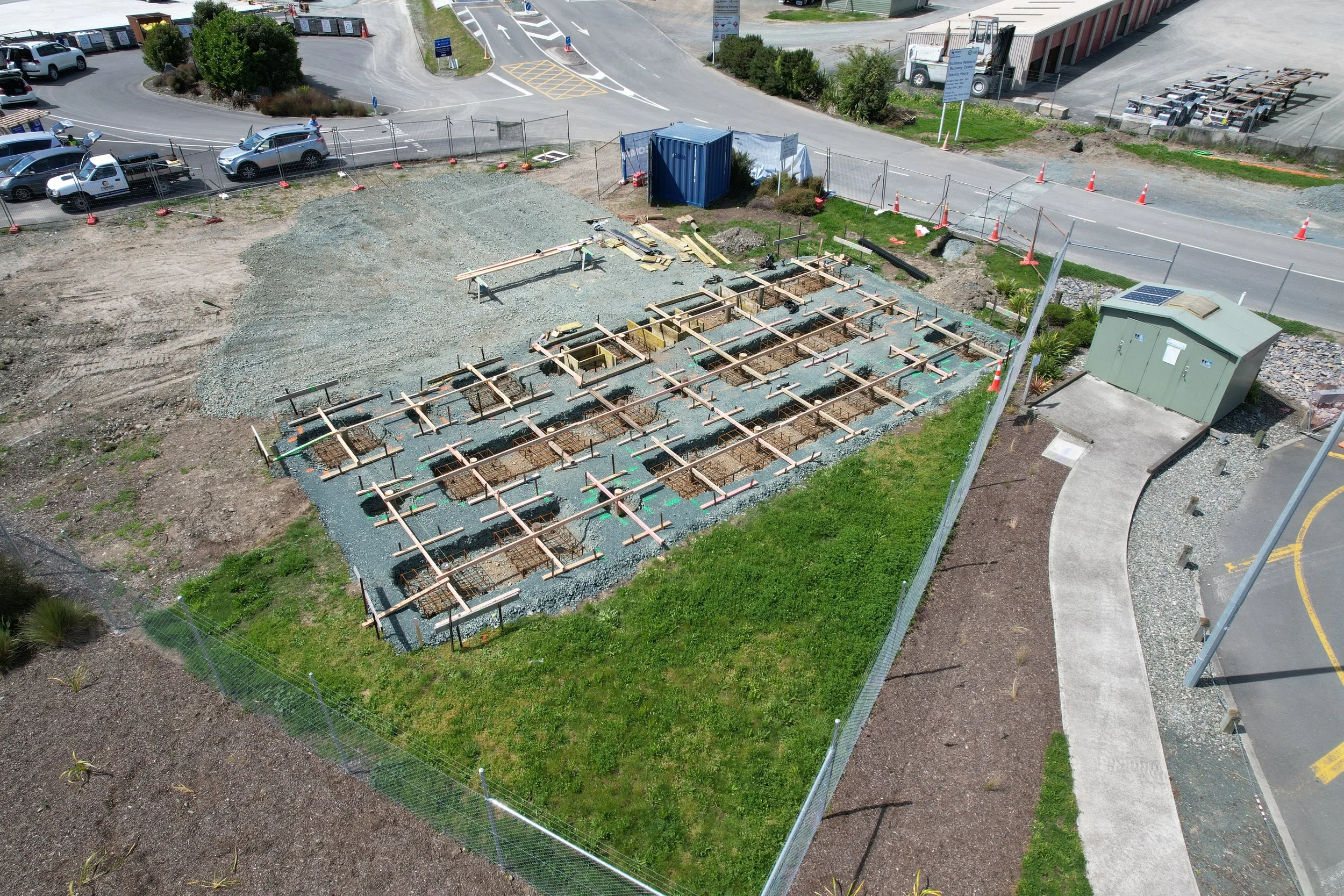
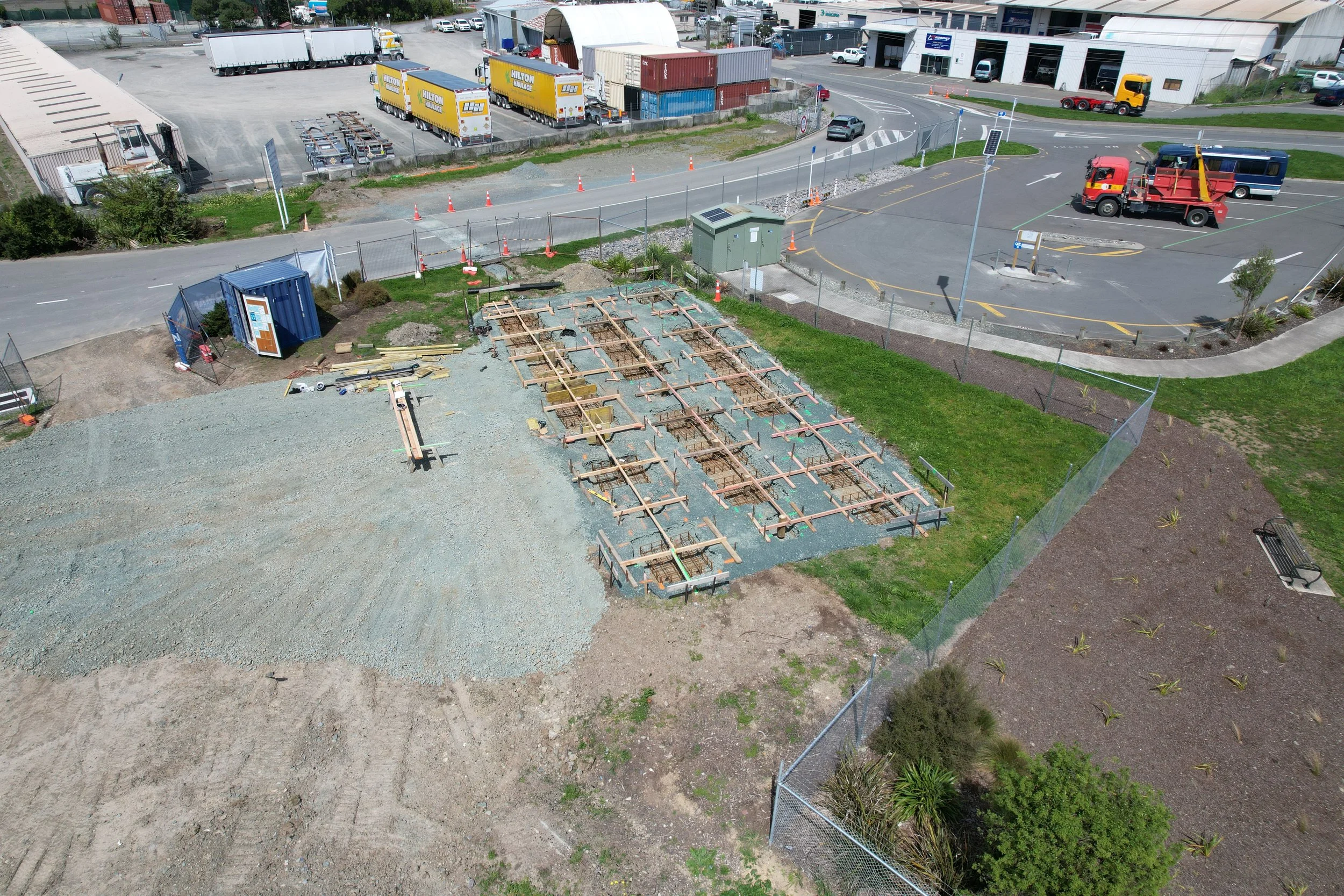
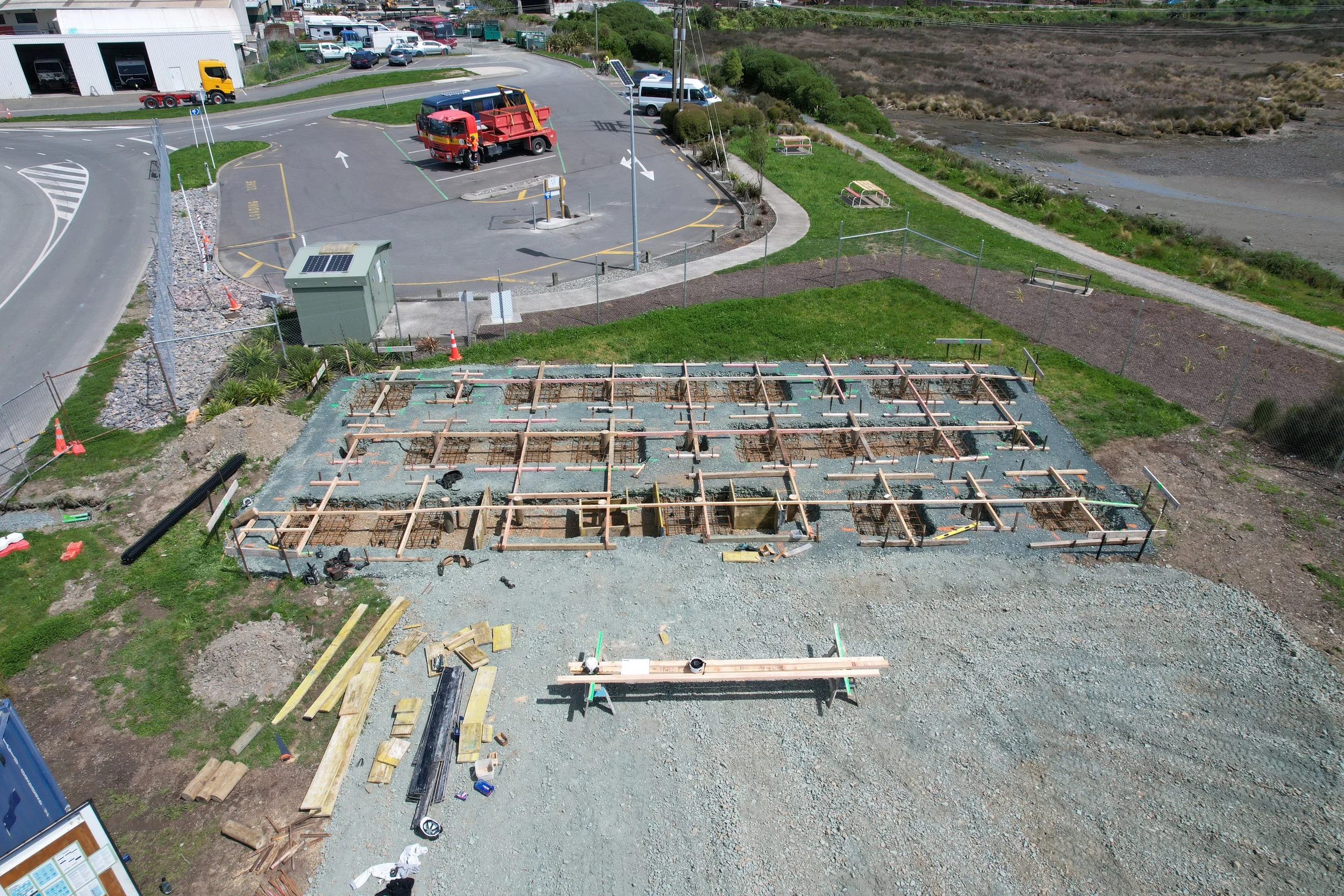
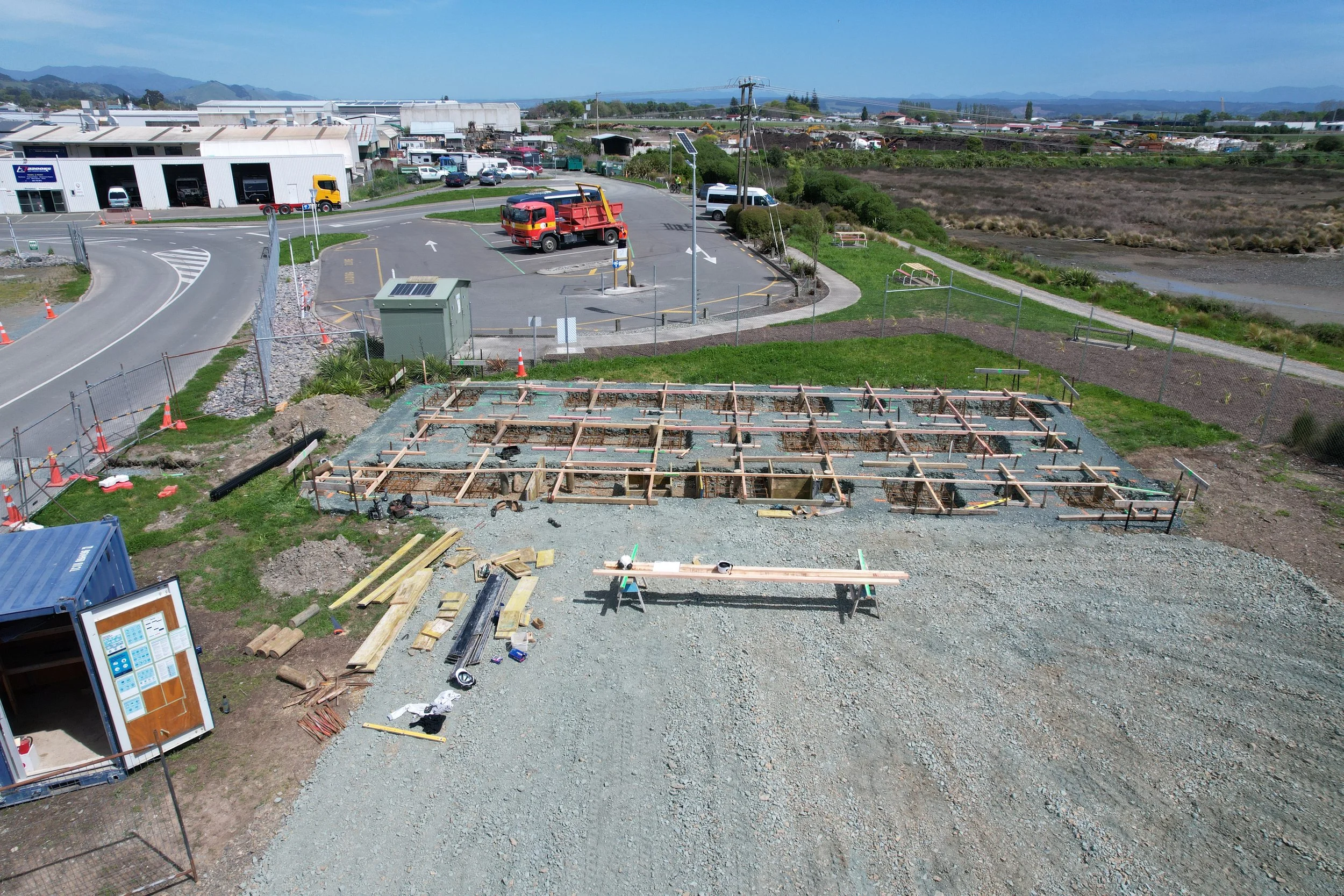
The site added real technical challenges. It sits on reclaimed land, made up of a refuse material layer capped with hardfill and topsoil. Finding a cost-effective, structurally sound foundation solution on this ground was a key obstacle - the preferred NZS3604 timber pile approach was initially flagged as unsuitable, since buildings founding within non-engineered fill don't typically meet this standard.
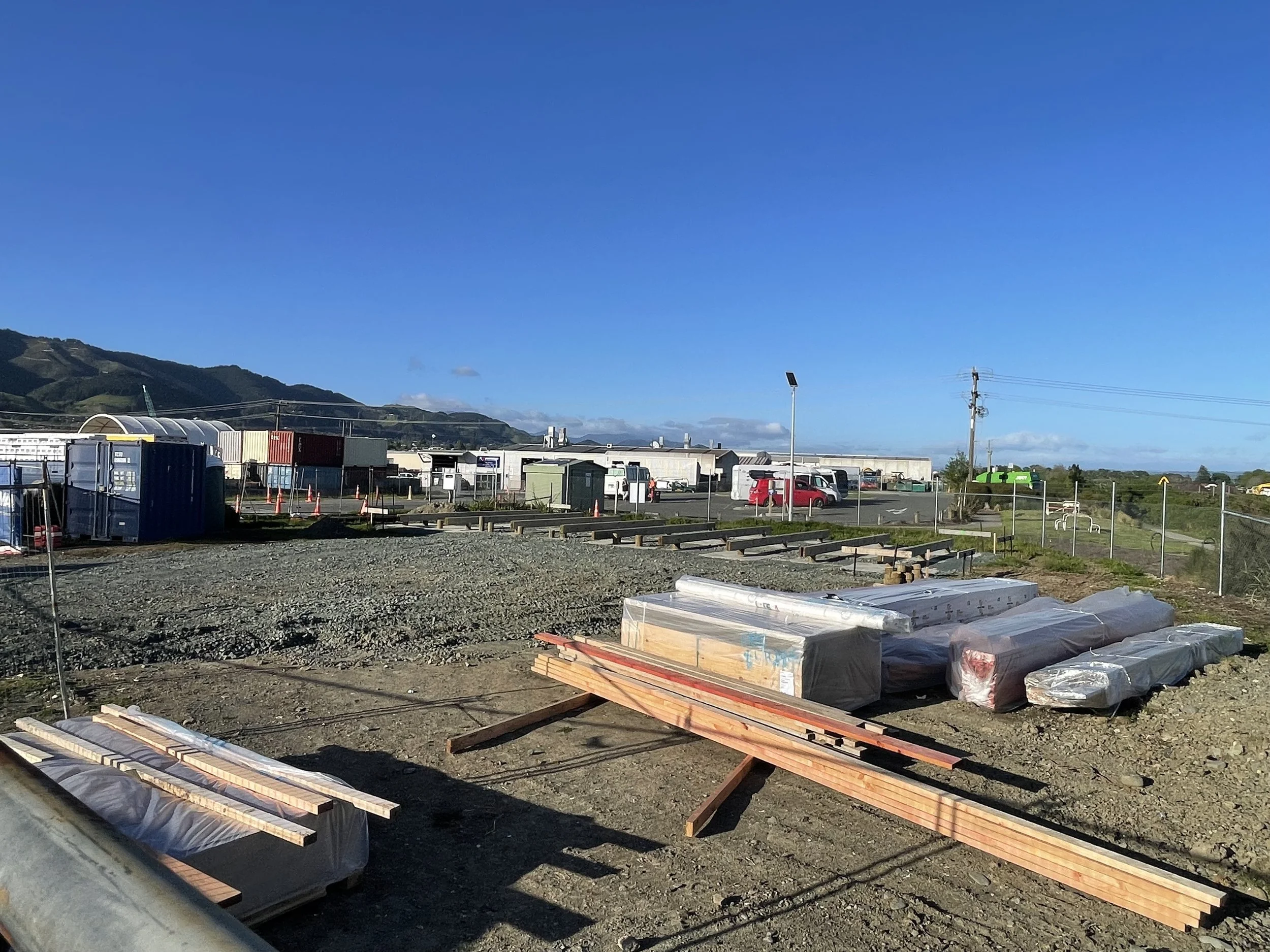
The building also needed to go up while the surrounding refuse and recycling campus stayed fully operational, requiring careful site security and delivery coordination throughout construction.
Adding further complexity, the primary future occupant - Smart Environmental, which holds TDC's kerbside collection and recycling contract - would use 90% of the new space. Despite TDC being the client, Smart Environmental’s operational needs had to shape the design from day one.
-
BPM delivered the project under a Design and Build contract, engaging Coman Construction as principal contractor and JTB Architects as design lead - both proven partners of BPM from previous projects. This established relationship allowed the team to mobilise quickly and coordinate efficiently, while keeping Council closely involved in key decisions throughout delivery.
Because Smart Environmental would occupy most of the building, they were brought into the process from the outset - helping evaluate tenders and advising on their operational requirements as the design progressed.
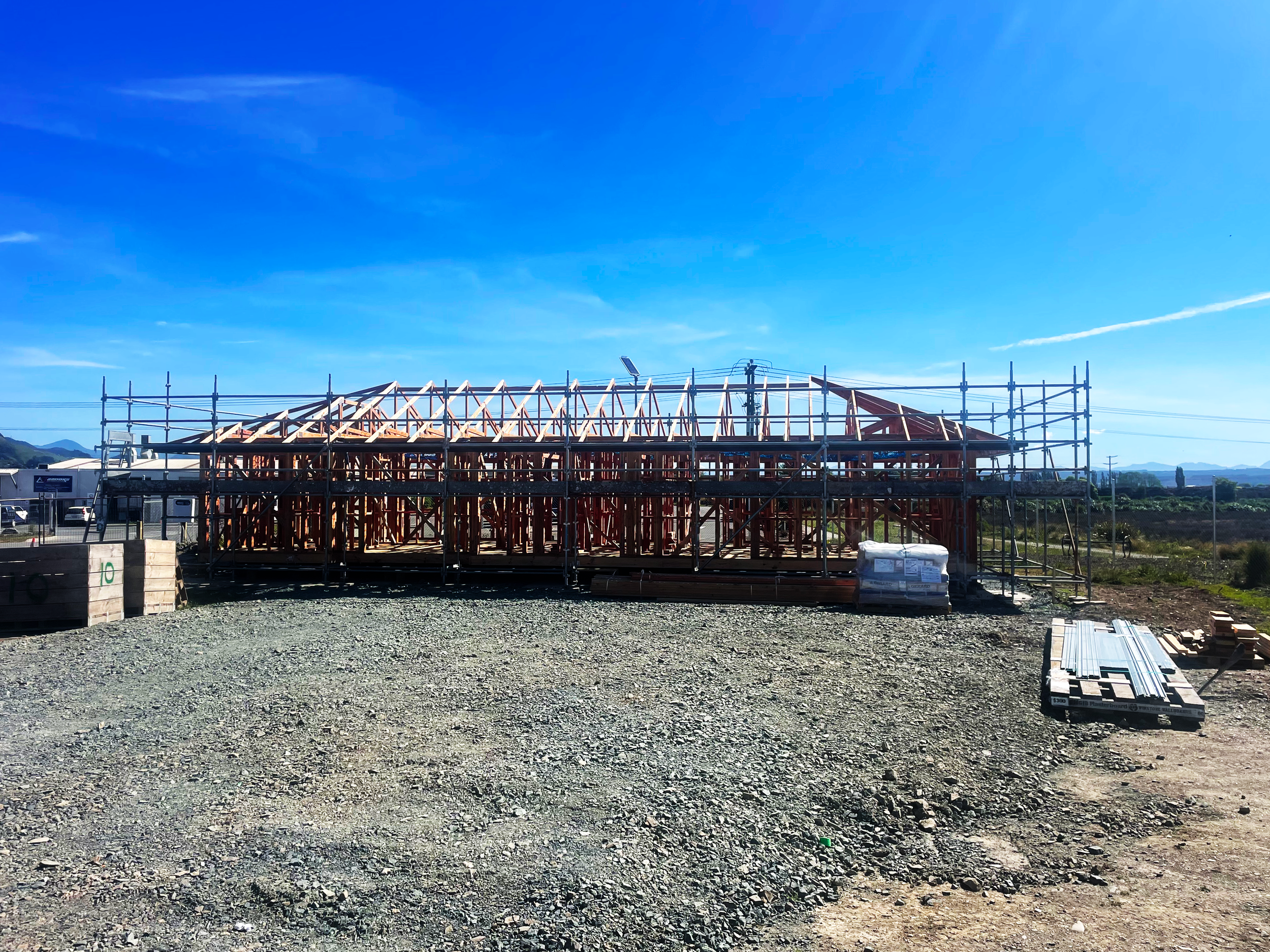
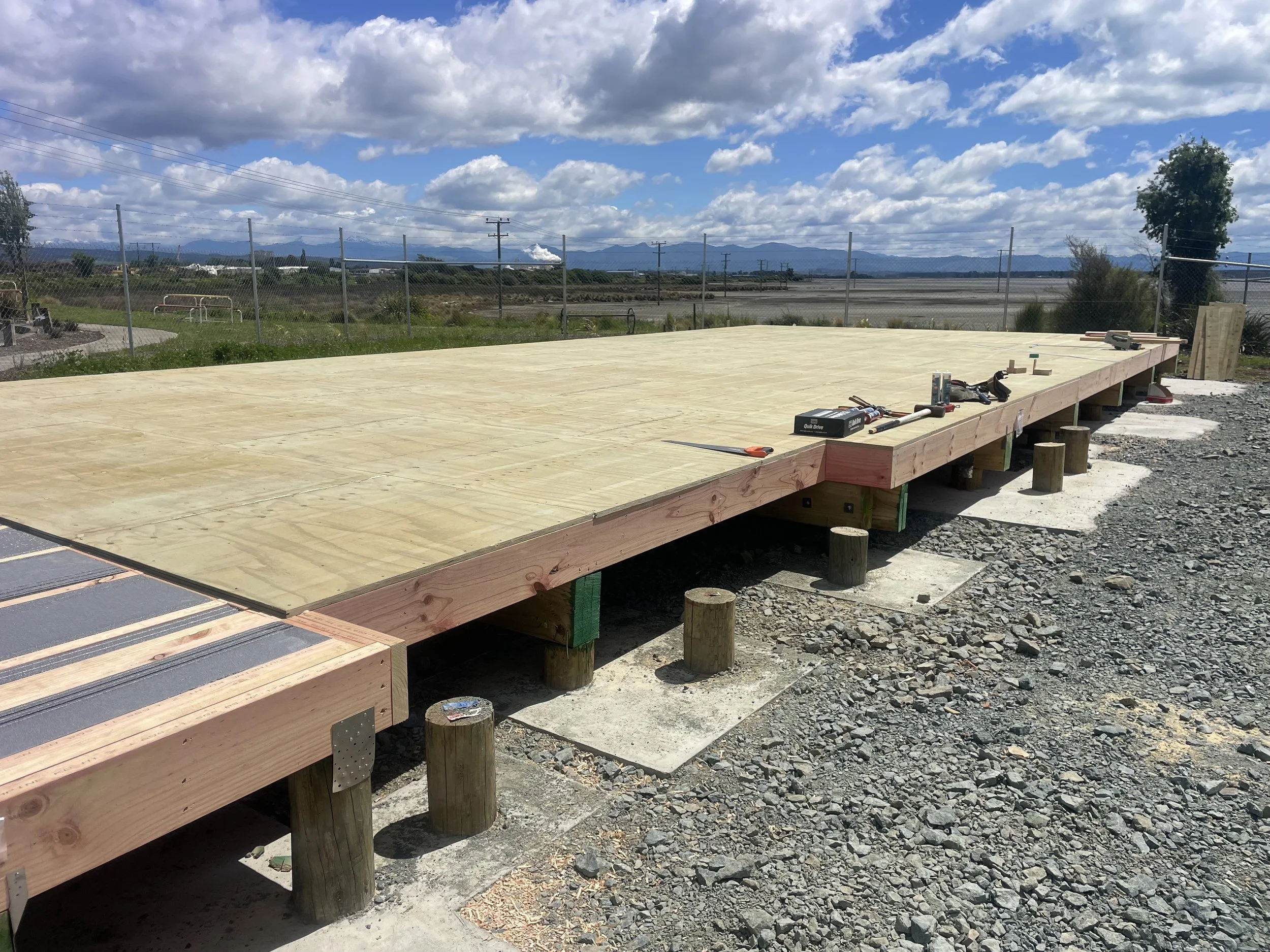
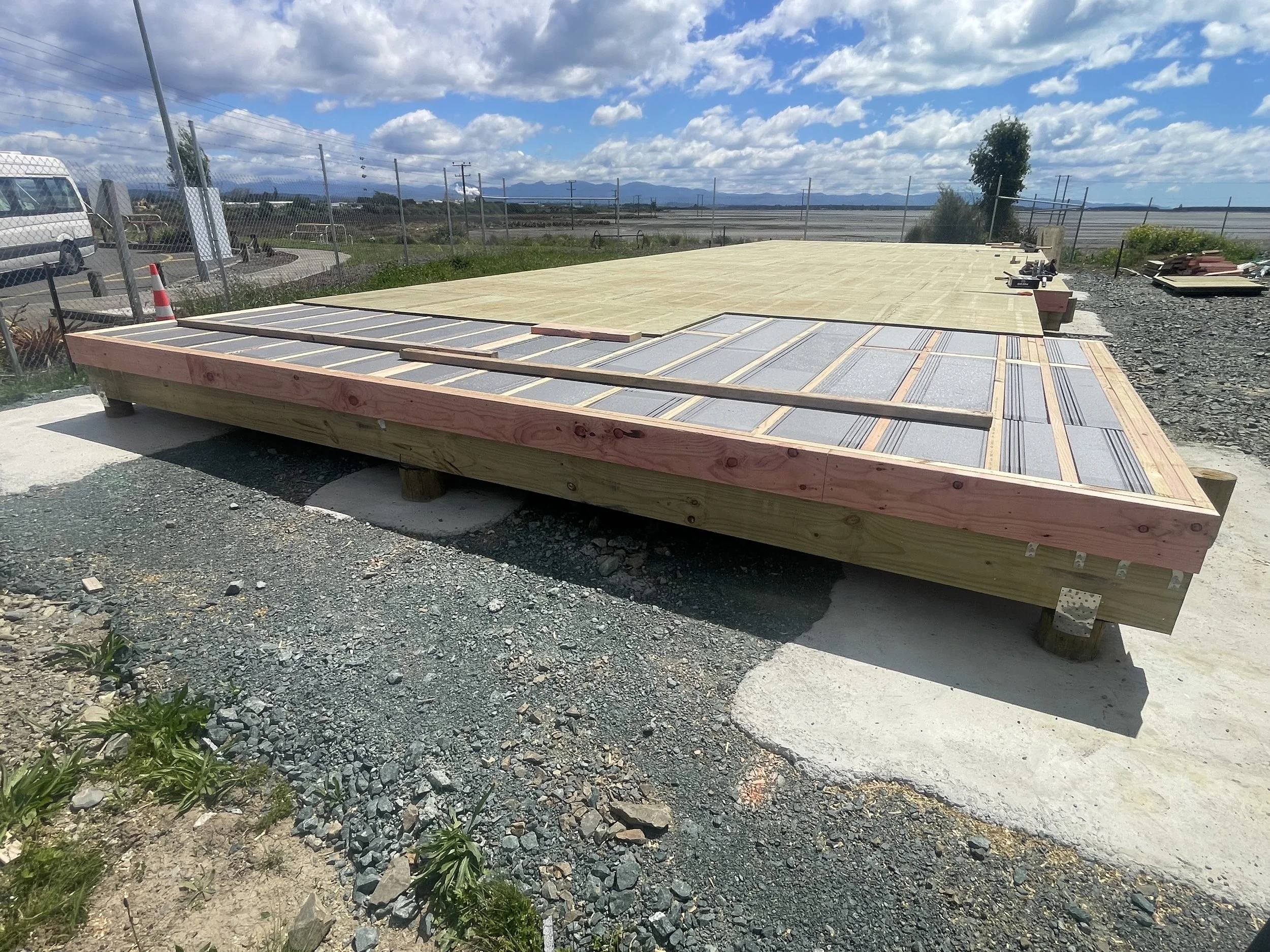
To resolve the foundation challenge, the challenge was laid down to Coman who worked closely with the project's geotechnical engineer to find a solution that balanced cost with the structural performance. The team agreed on a NZS3604 shallow timber piled system, with piles founding within a geogrid-reinforced granular raft - a compliant, cost-effective outcome that avoided unnecessary over-engineering. With much of the material for reclamation being landfill material, there was a small risk of dislodging landfill gas during excavations. As such, safety plans were put in place and gas detectors and appropriate PPE used by site staff during all groundwork.
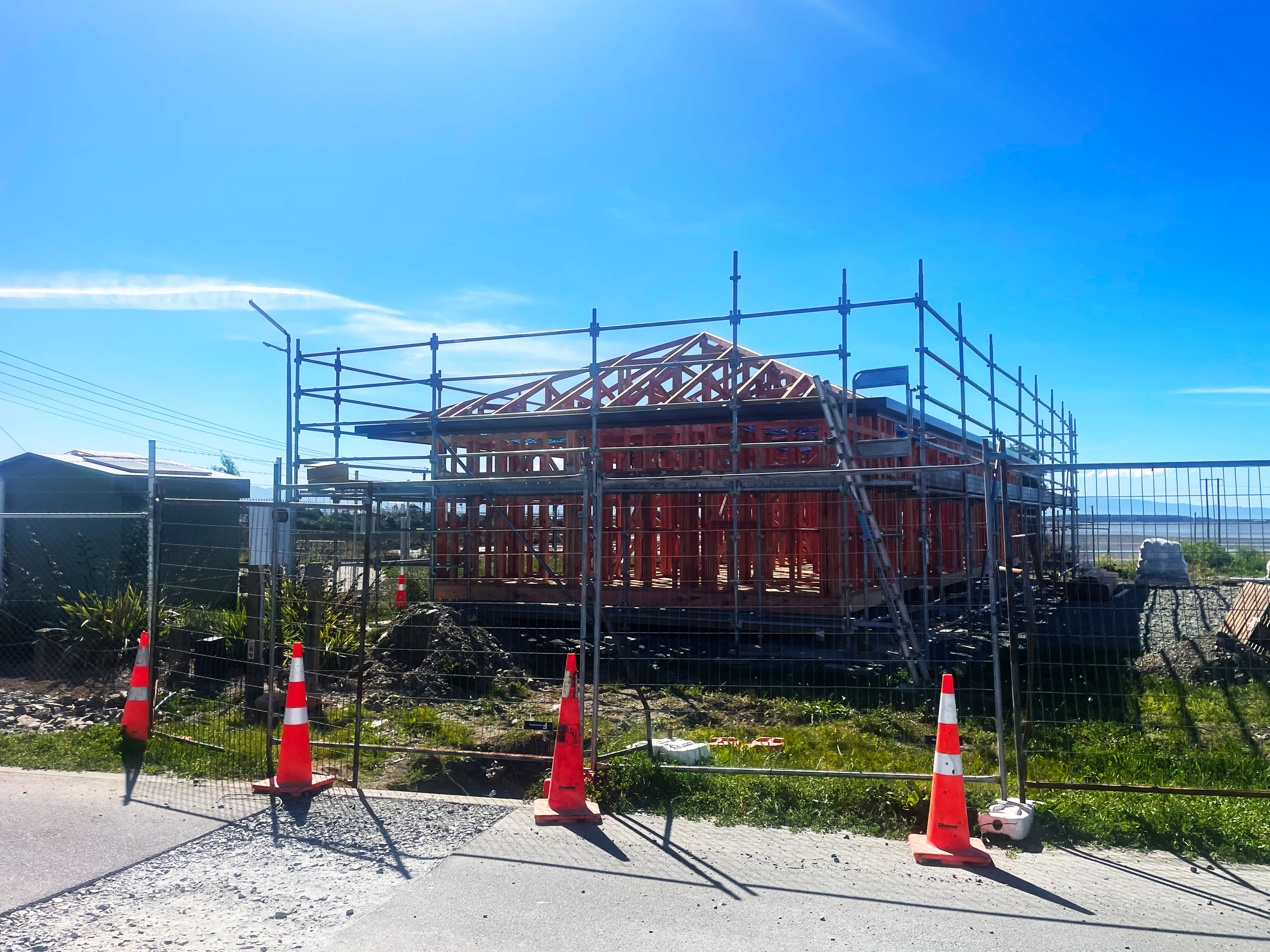
With the site embedded in a live operational campus, strong fencing and security protocols were maintained throughout the build, and deliveries were carefully scheduled to avoid disrupting normal site traffic flow.
-
The project team delivered TDC and Smart Environmental with a modern, fit-for-purpose office environment with a high-quality internal working environment and a professional public reception experience.
Programme, cost, and quality outcomes were maintained through proactive project management and a responsive and well organised contractor. All required statutory and regulatory approvals were achieved and, as was set out in the brief, genuine sustainability outcomes were delivered, including an 11kW solar system, energy-efficient LED lighting and HVAC, and low-VOC materials.
This project reinforced the value of strong, ongoing relationships with contractors and consultants, which allow effective teams to be assembled quickly and hit the ground running. It also highlighted the benefits of keeping civil works such as carparks and drainage connections within the main contractor's scope to simplify coordination, and of engaging building users early in the design process - even when they're not the owner. Perhaps most importantly, the site's challenging ground conditions were a reminder that geotechnical investigations should be carried out as early as possible in any project; conditions can vary significantly.
Check out the newest addition to this site, currently in progress… The Materials Recovery Facility.